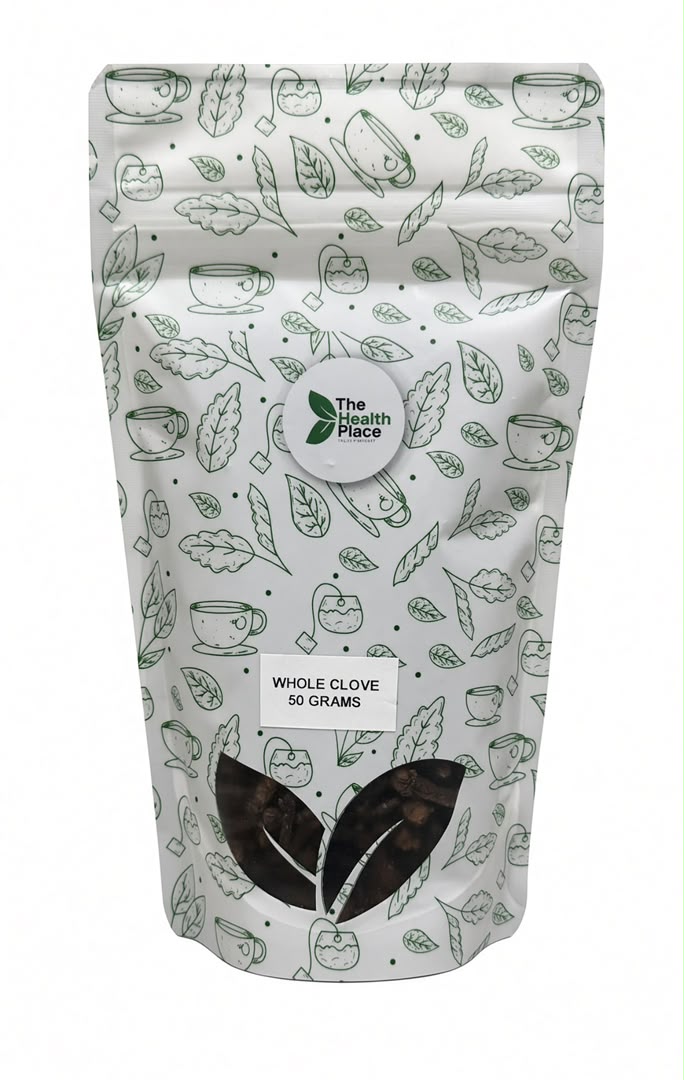
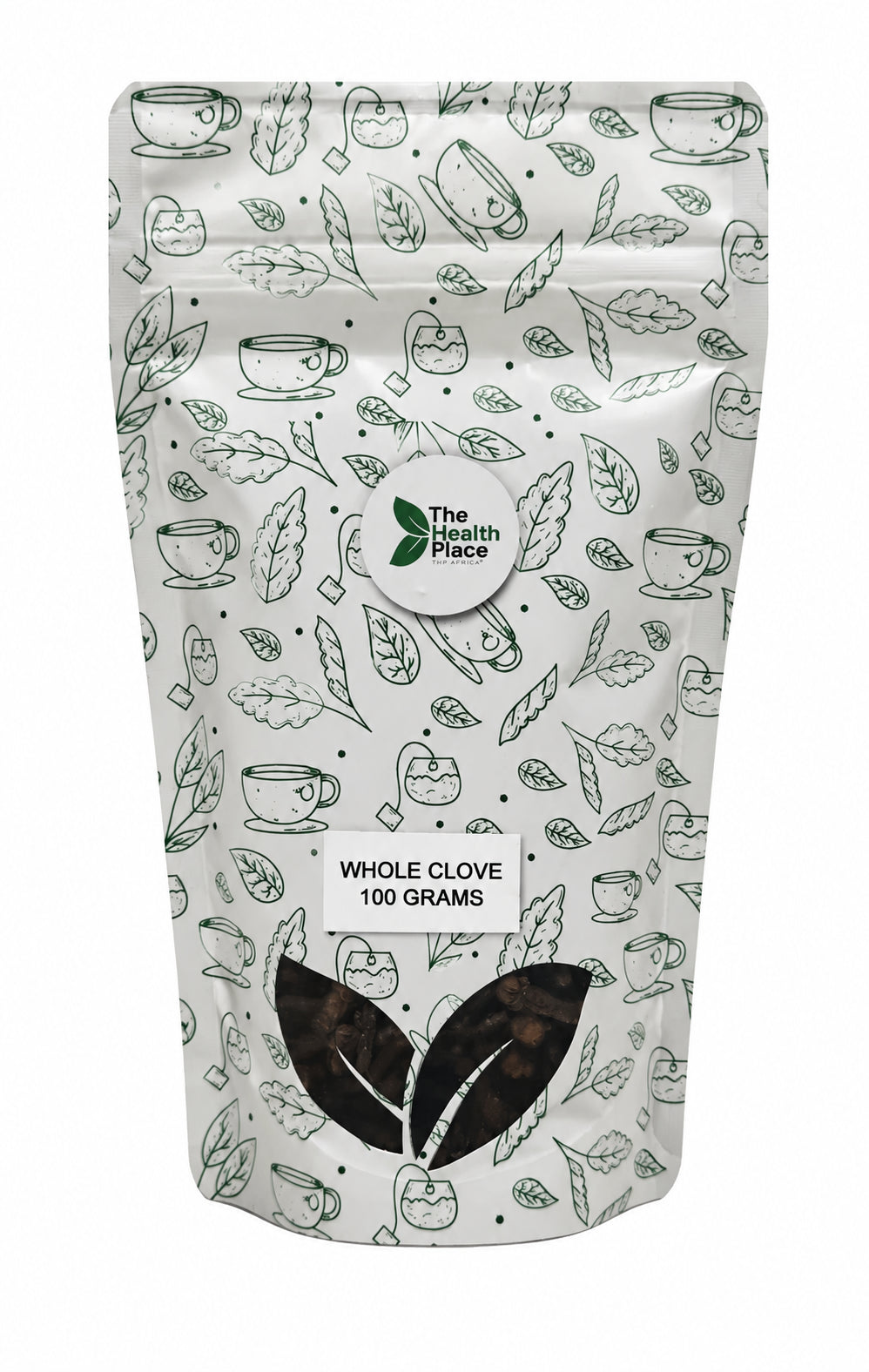
Whole Clove Buds : Choose Form
Scientific Name: Syzygium aromaticum
Origin: Maluku Islands, Indonesia
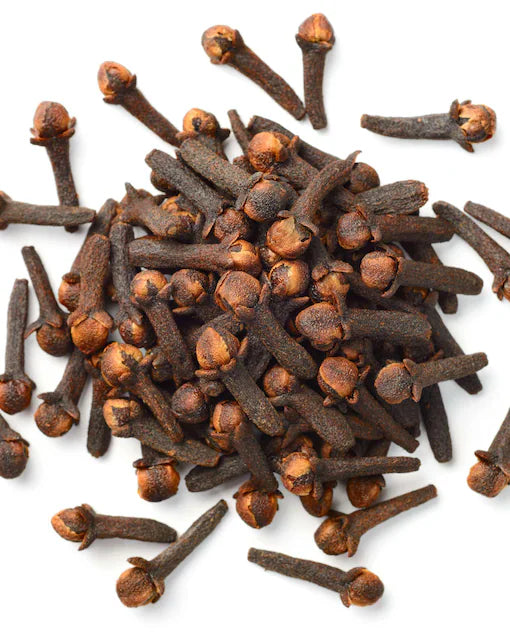
THP Whole Cloves are the dried, unopened flower buds of Syzygium aromaticum, an evergreen tree belonging to the Myrtaceae family.
Known for their intensely warm, sweet, spicy and slightly pungent aroma, cloves have been valued for centuries in culinary traditions, aromatic preparations and traditional botanical practices.
Cloves are widely used in African, Asian, Middle Eastern and international cuisines. Their concentrated flavour makes them a versatile addition to teas, spice blends, stews, rice dishes, marinades and baked foods.
Whole cloves naturally contain aromatic compounds, particularly eugenol, which contributes significantly to their characteristic fragrance and has attracted scientific interest.
Unlike clove essential oil, whole cloves are the dried botanical material itself and are primarily intended for culinary use.
KEY BENEFITS & FEATURES
Rich in Naturally Occurring Aromatic Compounds
Cloves naturally contain eugenol, a phenolic compound responsible for much of their distinctive aroma.
Eugenol has been investigated for antioxidant, antimicrobial and other biological activities.
Antioxidant Compounds
Cloves contain naturally occurring phenolic compounds that demonstrate antioxidant activity in laboratory testing.
Antioxidants can interact with free radicals under experimental conditions.
However, the clinical significance of these findings from normal culinary consumption remains uncertain.
Traditional Digestive Wellness
Cloves have historically appeared in traditional preparations associated with digestion and post-meal comfort.
They are commonly included in aromatic teas and spice blends.
Traditional Oral-Care Heritage
Cloves have a long history of use in traditional dental and oral-care practices.
Eugenol, a constituent of cloves, has also been used in certain professionally formulated dental materials.
Cloves should not be used to delay dental care for toothache, infection or gum disease.
Culinary Versatility
Whole cloves add depth and aroma to both sweet and savoury dishes.
They can be incorporated into:
- Herbal and spiced teas
- Rice dishes and jollof-style spice blends
- Soups, stews and sauces
- Marinades
- Meat and poultry preparations
- Baked goods
- Fruit compotes
- Homemade spice mixes
- Warm seasonal beverages
Because cloves have a concentrated flavour, a small quantity is generally sufficient.
Whole-Spice Convenience
Whole cloves can be added during cooking and removed before serving.
They can also be ground when freshly prepared clove powder is preferred.
Their whole form makes them suitable for a wide range of culinary applications.
WHAT MAKES CLOVES UNIQUE?
Cloves are particularly valued for their concentrated aroma and naturally occurring phytochemicals.
Their botanical constituents include:
Eugenol
The major aromatic compound associated with the characteristic scent of cloves.
Eugenyl Acetate
A naturally occurring volatile constituent that contributes to the spice’s aroma.
Beta-Caryophyllene
A naturally occurring sesquiterpene found in cloves and various other aromatic plants.
Phenolic Compounds
A group of plant substances associated with antioxidant activity in laboratory research.
The presence of these compounds does not establish their concentration or clinical effects in a particular finished product.
HOW TO USE WHOLE CLOVES
In Herbal and Spiced Teas
Whole cloves can be added in small culinary quantities to hot water alongside other familiar ingredients such as cinnamon or ginger.
Allow the spices to infuse before straining.
Clove tea should be enjoyed as a beverage rather than relied upon as a treatment for medical conditions.
In Cooking
Add whole cloves to rice dishes, soups, stews or marinades during preparation.
Remove the whole buds before serving when appropriate.
In Baking
Whole cloves can be ground and used in small quantities in cakes, biscuits, spice blends and other baked goods.
In Homemade Spice Blends
Combine cloves with other culinary spices to create aromatic seasoning blends.
In Fruit Preparations
Whole cloves can add warm flavour to cooked fruits, compotes and other sweet preparations.
FREQUENTLY ASKED QUESTIONS
What are Whole Cloves?
Whole cloves are the dried, unopened flower buds of the Syzygium aromaticum tree.
They are widely used as a culinary spice and have a long history in traditional botanical practices.
What are the main benefits of Whole Cloves?
Whole cloves are valued for their distinctive flavour, aromatic compounds and culinary versatility.
They naturally contain eugenol and other plant constituents that have attracted scientific interest.
Are Cloves good for digestion?
Cloves have traditionally been used in preparations associated with digestive comfort.
However, there is insufficient reliable clinical evidence that consuming cloves treats indigestion, bloating, constipation or other digestive disorders.
Can Cloves help relieve bloating and gas?
Cloves are sometimes included in traditional digestive teas.
Persistent or severe bloating should be evaluated by a healthcare professional.
Can Cloves help with weight loss or burn belly fat?
There is insufficient reliable human evidence that consuming cloves produces meaningful weight loss, increases fat burning or selectively reduces abdominal fat.
Although eugenol and other clove compounds have been investigated in metabolic research, findings from laboratory and animal studies cannot establish weight-loss benefits in humans.
Can Clove Tea help with weight management?
Unsweetened clove tea can be enjoyed as a low-calorie beverage.
However, there is no reliable evidence that clove tea independently causes fat loss.
Replacing sugar-sweetened drinks with unsweetened beverages may help reduce overall calorie intake, but that benefit is not unique to cloves.
Can Cloves help control blood sugar?
Some preliminary human research has investigated clove preparations and blood glucose markers.
However, studies are limited, and results from concentrated extracts cannot automatically be applied to ordinary whole cloves.
Cloves should not replace diabetes medication or medical dietary advice.
Can people with diabetes consume Cloves?
Whole cloves can generally be used in normal culinary quantities as part of a balanced diet.
People considering concentrated clove supplements or medicinal doses should consult a healthcare professional, particularly if taking glucose-lowering medication.
Are Cloves good for cholesterol?
Laboratory and animal research has investigated potential effects of clove compounds on lipid metabolism.
Are Cloves good for heart health?
Cloves contain plant compounds with biological activity, but there is insufficient clinical evidence that consuming cloves prevents cardiovascular disease.
Heart health depends on established factors such as diet, physical activity, blood pressure, cholesterol management and smoking avoidance.
Do Cloves have antioxidant properties?
Yes. Cloves contain compounds that demonstrate antioxidant activity in laboratory studies.
Are Cloves anti-inflammatory?
Certain clove constituents, particularly eugenol, have demonstrated effects on inflammatory pathways in laboratory and animal research.
Can Cloves help with toothache?
Cloves have a traditional association with toothache relief, and eugenol is used in certain dental preparations.
Can I chew Whole Cloves?
Some people chew cloves for their flavour or aroma.
Avoid prolonged contact with irritated oral tissues.
Can Cloves freshen breath?
Cloves have a strong aroma that may temporarily mask unpleasant breath.
FREQUENTLY ASKED QUESTIONS
Can Cloves help with H. pylori?
Clove extracts have demonstrated antibacterial activity against Helicobacter pylori in laboratory studies, including antibiotic-resistant strains. These findings make cloves an interesting subject for further research. However, there is insufficient human clinical evidence that consuming whole cloves or clove tea eradicates H. pylori. Confirmed infections require appropriate medical treatment.
Can Cloves improve fertility or help with conception?
Cloves are traditionally used in some fertility-related preparations, including clove water. Researchers have investigated their effects on reproductive hormones and reproductive biology, but findings are preliminary and sometimes contradictory. There is no reliable clinical evidence that consuming cloves improves ovulation, egg quality, sperm quality or pregnancy rates. Cloves should not replace fertility assessment or treatment.
Can Cloves cleanse the body or eliminate parasites?
Cloves are traditionally included in certain herbal cleansing preparations. Laboratory studies have investigated the antimicrobial and antiparasitic properties of clove-derived compounds. However, there is insufficient human clinical evidence that whole cloves or clove tea eliminate intestinal parasites, cleanse the womb or detoxify the body. Suspected parasitic infections require appropriate testing and treatment.
Can Cloves treat stomach ulcers?
There is insufficient reliable clinical evidence that whole cloves treat stomach ulcers.
Individuals with persistent abdominal pain, vomiting or suspected ulcers should seek medical evaluation.
Can Cloves help with coughs or sore throats?
Cloves are sometimes included in traditional warm beverages used during respiratory discomfort.
Can Cloves improve immunity?
Although cloves contain biologically active plant compounds, there is no convincing evidence that consuming them meaningfully strengthens immune function or prevents infections.
Can Cloves help with menstrual cramps?
Cloves have been included in some traditional preparations associated with menstrual discomfort.
However, reliable clinical evidence for whole cloves as a treatment for menstrual pain is insufficient.
What is Eugenol?
Eugenol is a naturally occurring aromatic compound found in cloves.
It contributes substantially to their characteristic flavour and fragrance.
Eugenol has been studied for several biological activities, but its effects depend on concentration, formulation and route of exposure.
Are Whole Cloves the same as Clove Powder?
Both come from the dried flower buds of Syzygium aromaticum.
Whole cloves retain their original bud form, while clove powder is produced by grinding the dried buds.
Ground cloves offer convenience, while whole cloves can be added to dishes and removed before serving.
Are Whole Cloves the same as Clove Essential Oil?
No.
Whole cloves are dried flower buds used primarily as a culinary spice.
Clove essential oil is a concentrated preparation containing high levels of volatile compounds, including eugenol.
The two products are not interchangeable.
Do not swallow clove essential oil or use it in place of whole cloves.
How do I make Clove Tea?
Add a small culinary quantity of whole cloves to hot water and allow them to infuse.
Strain before drinking.
You may combine cloves with other familiar culinary spices, such as cinnamon or ginger.
There is no clinically established clove-tea dose for weight loss or disease treatment.
Can I drink Clove Tea every day?
Clove tea made with modest culinary quantities may be tolerated by many adults.
Avoid excessive consumption and seek professional advice if pregnant, taking medication or managing a medical condition.
How many Cloves should I use daily?
There is no clinically established daily dose of whole cloves for general wellness.
For cooking and beverages, use modest culinary quantities according to taste and the recipe.
Do not treat culinary serving suggestions as medicinal dosing instructions.
Can Cloves be taken on an empty stomach?
Cloves may cause irritation or digestive discomfort in some individuals.
There is no established health advantage to consuming cloves on an empty stomach.
Can Cloves be combined with Ginger and Cinnamon?
Yes. Whole cloves are commonly combined with ginger and cinnamon in culinary spice blends and beverages.
Can pregnant women use Cloves?
Normal culinary use of cloves in food is generally different from consuming concentrated medicinal preparations.
Pregnant individuals should avoid high-dose clove supplements or concentrated clove oil unless specifically advised by a healthcare professional.
Can breastfeeding women consume Cloves?
Normal culinary use is generally distinct from medicinal supplementation.
There is insufficient reliable safety information to recommend concentrated clove preparations during breastfeeding.
Can children consume Cloves?
Cloves may be used in age-appropriate foods in normal culinary quantities.
Whole cloves can present a choking risk to young children and should be removed from dishes before serving.
Concentrated clove oil should not be given to children without professional medical direction.
Can Cloves interact with medications?
Clove constituents, particularly eugenol, have raised concerns about potential effects on blood clotting and blood glucose.
People taking anticoagulants, antiplatelet medications or glucose-lowering drugs should consult a healthcare professional before using concentrated clove preparations.
Normal culinary quantities are different from high-dose supplementation.
Are there side effects of consuming Cloves?
Normal culinary use is generally well tolerated.
However, excessive intake or concentrated preparations may cause:
- Mouth or throat irritation
- Nausea or digestive discomfort
- Allergic reactions
- Potential medication interactions
Large amounts of clove essential oil can cause serious toxicity, including liver injury.
Can people with liver disease consume Cloves?
Individuals with liver disease should avoid concentrated clove oil and high-dose clove preparations unless medically approved.
The toxicity risk of concentrated clove oil should not be confused with ordinary culinary use of whole cloves.
Can Cloves cause allergic reactions?
Yes.
Although uncommon, allergic reactions or irritation may occur.
Discontinue use and seek medical attention if symptoms of an allergic reaction develop.
How should Whole Cloves be stored?
Store in a tightly sealed container in a cool, dry place away from moisture, direct sunlight and excessive heat.
Proper storage helps preserve their aroma and protects against contamination.
Do Whole Cloves expire?
Whole cloves gradually lose aroma and flavour during storage.
Always follow the product’s stated best-before date and inspect for moisture damage, mould, infestation or unusual deterioration.
How can I tell if Whole Cloves are still good?
Cloves should retain their characteristic aromatic smell and dry appearance.
Discard cloves showing mould, infestation, excessive moisture or other signs of contamination.
Where can I buy Whole Cloves in Nigeria?
THP Whole Cloves are available through The Health Place Africa for customers seeking aromatic culinary spices and traditional botanicals.
SAFETY AND PRECAUTIONS
- Use primarily in normal culinary quantities.
- Do not rely on cloves to treat infections, dental disease, diabetes or other medical conditions.
- Avoid excessive consumption and concentrated medicinal preparations without professional guidance.
- Consult a healthcare professional before medicinal use if pregnant or breastfeeding.
- Seek advice before using concentrated preparations with anticoagulants, antiplatelet drugs or diabetes medications.
- Do not swallow clove essential oil.
- Keep whole cloves away from young children because of choking risk.
- Discontinue use if allergic reactions or significant irritation occur.
- Keep out of reach of children.
STORAGE
Store in a tightly sealed container in a cool, dry place.
Protect from moisture, direct sunlight and excessive heat.
Discard if mould, infestation or other signs of contamination develop.
Premium Quality
No fillers, flow agents, or preservatives
• Imported 100% raw from trusted sources ✔
• Carefully Packed in Nigeria ✔
• ISO 22000:2018 Certified ✔
• SGS cGMP (21 CFR Part 111) Certified ✔
• Halal & Kosher Certified ✔
• Non-GMO ✔
All our products are 100% natural, produced under globally recognized certifications, and processed in FDA-registered, GMP-certified facilities.
Statements regarding dietary supplements have not been evaluated by the FDA and are not intended to diagnose, treat, cure, or prevent any disease or health condition.

Choose options