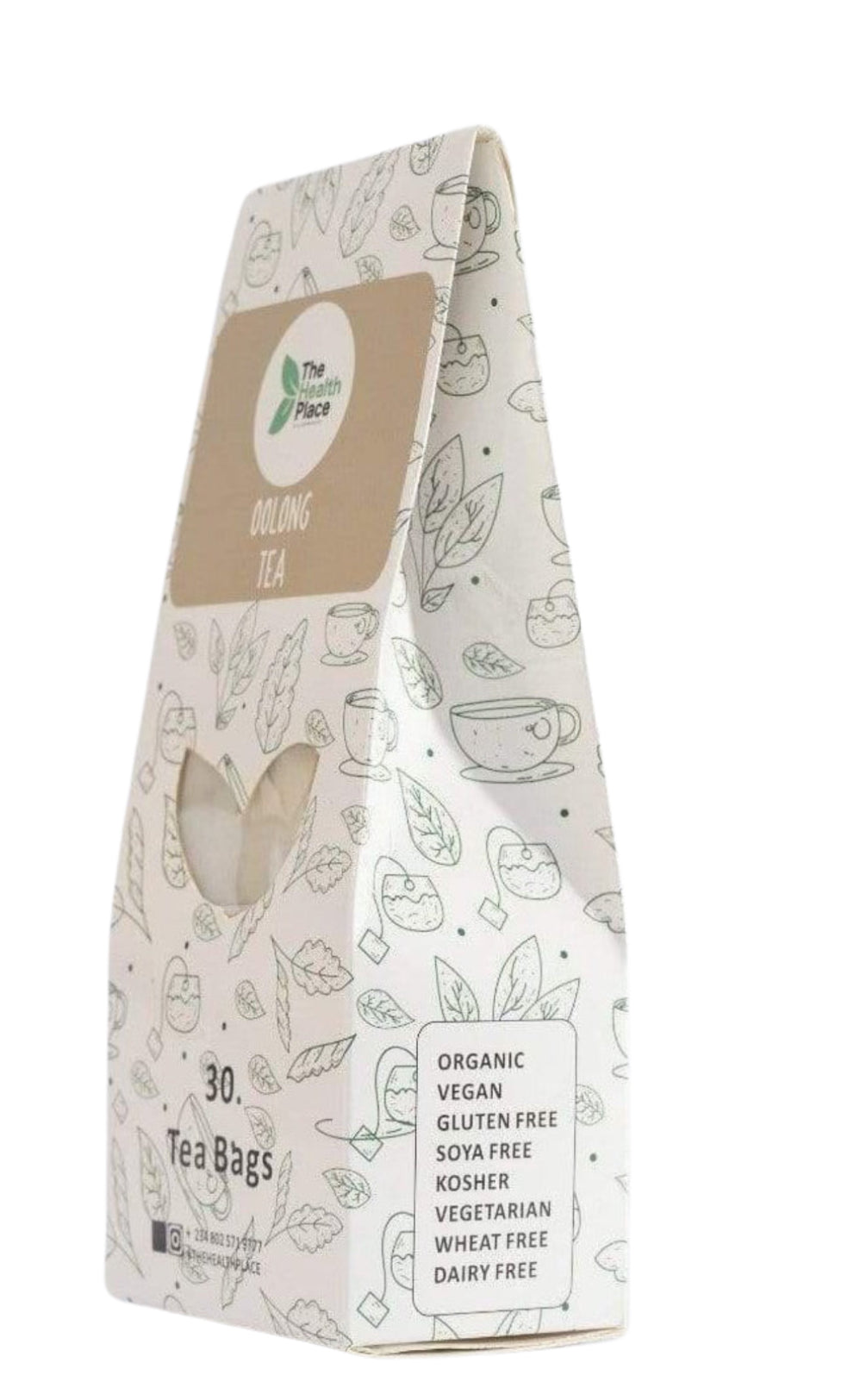
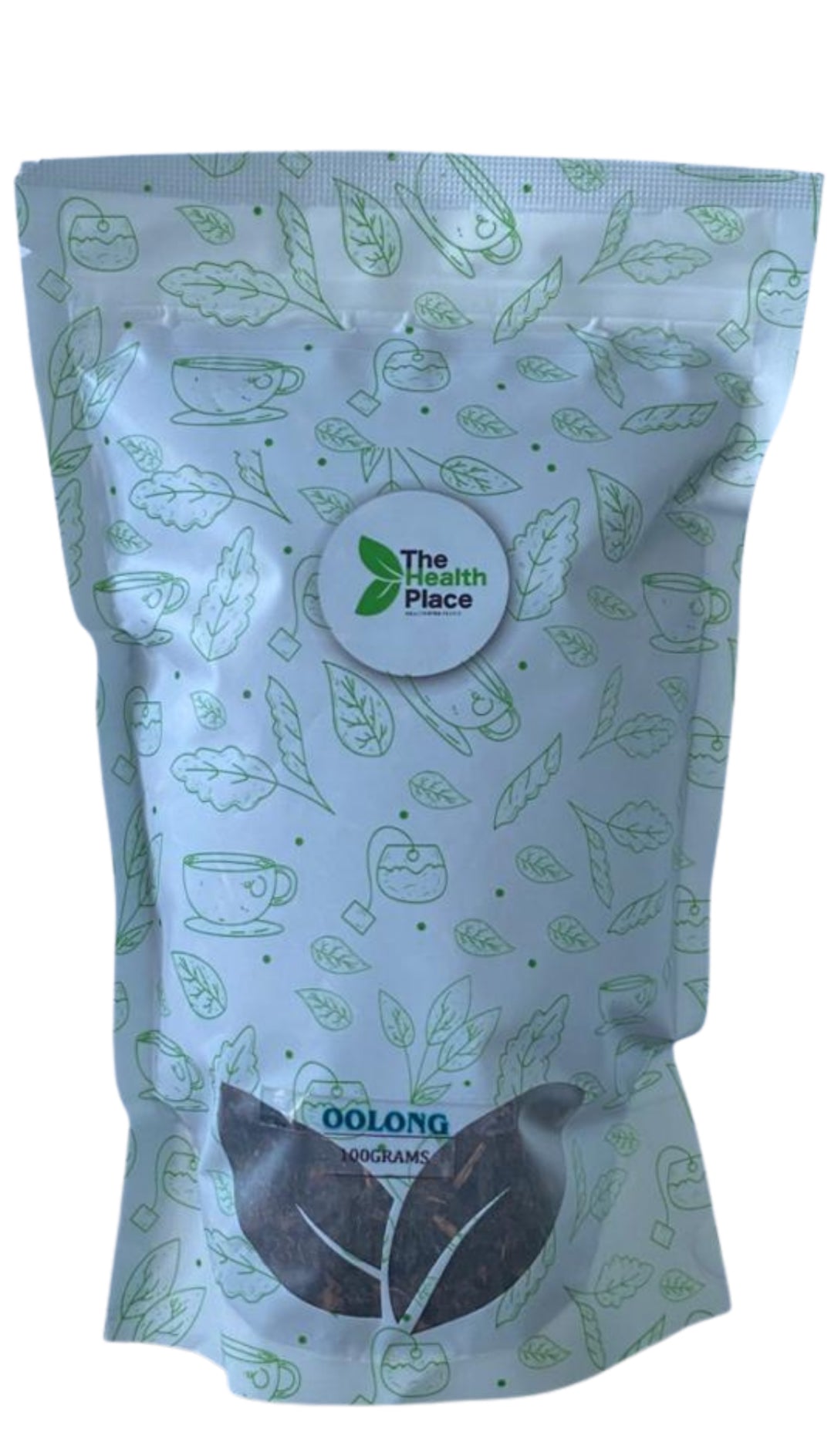
Oolong - Choose Form
Botanical Name:Camellia sinensis
Caffeine Content:25 to 75 mg per 240ml cup
Available Forms:
- 30 Teabags – 60g
- 50g Loose Tea
Weight Management | Metabolism Support | Antioxidant Wellness | Natural Energy | Heart Wellness
OOLONG TEA – METABOLIC & ANTIOXIDANT WELLNESS
Oolong Tea is a traditional tea made from the leaves of Camellia sinensis, the same plant used to produce Green Tea and Black Tea.
What makes Oolong unique is its partial oxidation during processing, which creates a distinctive flavor and aroma ranging from light and floral to rich, roasted and earthy.
Oolong naturally contains caffeine, polyphenols and other plant compounds that have attracted scientific interest for their possible effects on energy expenditure, fat metabolism and cardiovascular wellness.
It is especially popular among people looking for a refreshing tea to complement their weight-management routines, support daily alertness and increase their intake of antioxidant-rich beverages.
KEY BENEFITS OF OOLONG TEA
Weight Management Support
Oolong contains caffeine and polyphenols that have been investigated for their effects on energy expenditure and fat oxidation. However, evidence that Oolong alone produces meaningful long-term weight loss remains limited.
Metabolism Support
Small human studies suggest Oolong may temporarily increase energy expenditure or fat oxidation. This does not guarantee meaningful weight loss.
Natural Energy & Alertness
Oolong naturally contains caffeine, which can temporarily improve alertness and concentration.
Antioxidant Support
Oolong provides naturally occurring tea polyphenols with antioxidant activity.
Heart & Cholesterol Wellness
Tea consumption has been investigated for its relationship with cholesterol and cardiovascular health. Some findings are promising, although Oolong-specific clinical evidence remains limited.
Healthy Beverage Habits
Unsweetened Oolong Tea can replace sugary beverages as part of a balanced lifestyle.
WHY CHOOSE THP OOLONG TEA?
- Traditional partially oxidised tea.
- Available in convenient teabags or loose tea.
- Naturally contains caffeine and tea polyphenols.
- Suitable for hot or iced tea preparations.
- Convenient for daily tea routines.
FREQUENTLY ASKED QUESTIONS
What are the main benefits of Oolong Tea?
Oolong Tea provides natural caffeine for alertness, antioxidant plant compounds and a refreshing alternative to sugary beverages. Its effects on metabolism, cholesterol and weight management have also attracted scientific interest.
Does Oolong Tea help with weight loss?
Oolong Tea contains caffeine and polyphenols that may temporarily increase energy expenditure and fat oxidation. However, evidence that Oolong Tea alone produces significant or lasting weight loss remains limited.
For better and more sustainable weight-management results, consider the following lifestyle recommendations:
1. Practise Intermittent Fasting (If Suitable)
Consider a 12–16-hour overnight fasting window if appropriate for your health and lifestyle. Start with 12 hours and gradually increase if comfortable. Intermittent fasting is optional and is not necessary for successful weight loss.
2. Reduce Food Portions
Pay attention to portion sizes and avoid overeating. If your usual portions are excessive, gradually reduce them rather than automatically cutting every meal in half.
3. Prioritise Protein and Vegetables
Include protein-rich foods such as eggs, fish, chicken, lean meat and beans alongside vegetables and appropriate portions of whole grains or other carbohydrates.
Protein helps support fullness and muscle maintenance during weight loss.
4. Walk and Stay Physically Active
Aim to increase daily movement, working towards 10,000 steps if appropriate for your fitness level. You can still achieve meaningful health benefits with fewer steps.
Include resistance training to help preserve muscle mass.
5. Support Healthy Digestion and Bowel Regularity
Drink sufficient water, consume fibre-rich foods you tolerate and maintain regular bowel habits.
Daily bowel movements are not required for weight loss, and laxatives should not be used as a weight-loss strategy.
6. Check Your Blood Sugar and Hormonal Health When Appropriate
If you experience unexplained weight changes, persistent fatigue or symptoms suggesting a metabolic or hormonal condition, speak with a healthcare professional about appropriate testing.
Blood sugar, thyroid or other hormonal investigations should be guided by your symptoms and medical history.
7. Reduce Added Sugar and Refined Carbohydrates
Limit sugary drinks, sweets and excessive portions of refined carbohydrates.
Choose whole fruits in sensible portions rather than unnecessarily eliminating fruit because of its natural sugar content.
8. Prioritise Quality Sleep
Aim for approximately 7–9 hours of sleep each night. Adequate sleep supports appetite regulation, recovery and overall metabolic health.
Remember: Oolong Tea is best used as part of a consistent weight-management routine, not as a substitute for healthy eating, exercise or appropriate medical care.
Does Oolong Tea boost metabolism?
Small human studies suggest Oolong may temporarily increase energy expenditure or fat oxidation.
Does Oolong Tea burn belly fat?
Oolong has been studied for its potential effects on fat metabolism, but it cannot selectively burn abdominal fat.
No tea, herb or supplement has been proven to selectively dissolve or burn belly fat.
Reducing abdominal fat requires consistent effort, including balanced nutrition, appropriate portion sizes, regular physical activity and adequate sleep.
Abdominal exercises such as planks, crunches, leg raises and other core-strengthening movements can help strengthen and tone the abdominal muscles. However, these exercises alone do not specifically remove the fat covering those muscles.
For better results, combine abdominal exercises with regular walking, cardiovascular exercise, full-body strength training and healthy eating habits.
Remember: There is no shortcut to losing belly fat. Sustainable results come from consistent lifestyle changes, not from relying on a tea or supplement alone.
Can Oolong Tea suppress appetite?
Oolong is sometimes included in appetite-management routines, but there is insufficient clinical evidence that it reliably suppresses hunger.
Can Oolong Tea help reduce sugar cravings?
Unsweetened Oolong can replace sugary beverages and support healthier drinking habits.
However, it has not been established as a treatment for sugar cravings.
Is Oolong Tea good for intermittent fasting?
Plain, unsweetened Oolong Tea contains very few calories and is commonly consumed during intermittent fasting.
However, its caffeine content may cause nausea or stomach discomfort when consumed on an empty stomach.
Is Oolong Tea better than Green Tea for weight loss?
Both Oolong and Green Tea contain caffeine and polyphenols that have been studied for weight management.
There is insufficient evidence that one consistently produces greater long-term weight loss than the other.
Is Oolong Tea better than Rooibos for weight management?
Oolong contains caffeine and has been studied for possible effects on energy expenditure.
Rooibos is naturally caffeine-free and may be preferable for people avoiding stimulants.
Neither tea is a proven stand-alone weight-loss treatment.
Can Oolong Tea help with cholesterol management?
Some research on tea consumption suggests possible modest benefits for cholesterol measurements.
However, Oolong-specific evidence is insufficient to recommend it as a cholesterol-lowering treatment.
Is Oolong Tea good for heart health?
Oolong contains tea polyphenols that have been investigated in cardiovascular research.
It may be included in a heart-conscious lifestyle, but it should not replace prescribed treatment for heart disease or high cholesterol.
Does Oolong Tea contain antioxidants?
Yes. Oolong naturally contains polyphenols with antioxidant activity.
Does Oolong Tea contain caffeine?
Yes. Oolong naturally contains caffeine. A typical 8-ounce cup may contain approximately 25–75 mg, although the amount varies considerably with the tea leaves and brewing method.
This is a general estimate.
Can Oolong Tea improve energy, concentration and focus?
Yes. The caffeine in Oolong Tea can temporarily improve alertness and attention and reduce feelings of fatigue.
However, excessive caffeine may cause nervousness, headaches or difficulty sleeping.
Is Oolong Tea good for digestion?
Oolong is traditionally enjoyed with or after meals.
However, it has not been established as a treatment for digestive disorders.
Can Oolong Tea help with bloating?
There is insufficient clinical evidence that Oolong reliably relieves bloating.
Some people may experience stomach discomfort or acid reflux from caffeinated tea.
What is the difference between Oolong Tea and Green Tea?
Both come from Camellia sinensis.
Green Tea undergoes minimal oxidation, while Oolong is partially oxidised. This produces differences in flavour, aroma and polyphenol composition.
What is the difference between Oolong Tea and Black Tea?
Oolong is partially oxidised, while Black Tea undergoes more extensive oxidation.
Both naturally contain caffeine.
What is the difference between Oolong Teabags and Loose Tea?
Teabags offer convenient, pre-portioned preparation.
Loose tea allows customers greater flexibility in measuring the amount used and adjusting the strength of their brew.
Which Oolong form should I choose?
|
Your Preference or Goal |
Form to Consider |
|
Quick, convenient preparation |
30 Teabags – 60g |
|
Traditional loose-tea preparation |
50g Loose Tea |
|
Prefer pre-portioned servings |
30 Teabags – 60g |
|
Want to adjust brewing strength |
50g Loose Tea |
|
Preparing larger teapots |
50g Loose Tea |
|
Weight-management routine |
Either form |
|
Natural caffeine and alertness |
Either form |
|
First-time Oolong customer |
Either form |
Is Loose Oolong Tea stronger than Oolong Teabags?
Not necessarily.
Tea strength depends on the amount used, leaf quality, water temperature and brewing time.
Neither form should automatically be considered more effective for weight management.
How do I prepare Oolong Teabags?
Place one teabag in a cup of hot water, generally around 85–95°C, and steep for approximately 2–5 minutes, or according to the product instructions.
Remove the teabag and enjoy.
How do I prepare Loose Oolong Tea?
A common preparation method is to use approximately one teaspoon of loose tea per cup of hot water.
Steep for 2–5 minutes and strain. Adjust according to the tea’s characteristics and packaging directions.
Can Oolong Tea be served cold?
Yes. Brew the tea, allow it to cool and refrigerate.
Serve chilled or over ice.
Can I add honey or lemon to Oolong Tea?
Yes. Lemon, honey or other flavourings may be added according to preference.
For weight management, be mindful of added sugars.
Can I drink Oolong Tea every day?
Moderate consumption of brewed Oolong is generally well tolerated by most healthy adults.
However, individual caffeine sensitivity and total caffeine intake should be considered.
How many cups of Oolong Tea can I drink daily?
There is no universally established therapeutic daily serving for weight management.
Follow the product directions and consider your total daily caffeine intake from tea, coffee, energy drinks and other sources.
What is the best time to drink Oolong Tea?
Morning or early afternoon may be preferable because Oolong contains caffeine.
People sensitive to caffeine should avoid consuming it close to bedtime.
Can I drink Oolong Tea before bed?
Oolong contains caffeine, which may interfere with sleep.
A caffeine-free alternative such as Rooibos may be more suitable in the evening.
Can I combine Oolong Tea with Green Tea?
Both can be enjoyed as part of a balanced routine.
However, combining them increases total caffeine intake, which may cause side effects in sensitive individuals.
Can I combine Oolong Tea with Yerba Mate?
Both naturally contain caffeine.
Combining them may increase alertness but can also increase the risk of palpitations, anxiety, headaches and sleep disruption.
Can Oolong Tea affect iron absorption?
Yes. Tea polyphenols can reduce absorption of non-heme iron when consumed with meals.
People with iron deficiency may benefit from separating tea consumption from iron-rich meals or iron supplements.
Is Oolong Tea safe during pregnancy?
Oolong contains caffeine.
Pregnant individuals should monitor total caffeine intake and consult their healthcare professional about appropriate limits.
Can breastfeeding mothers drink Oolong Tea?
Caffeine passes into breast milk.
Moderate intake may be compatible with breastfeeding, but excessive caffeine can affect some infants.
What are the possible side effects of Oolong Tea?
Possible side effects include nausea, stomach discomfort, headaches, nervousness, palpitations and sleep disturbances, particularly when consumed in excessive amounts.
Who should consult a healthcare professional before drinking Oolong Tea?
People with significant caffeine sensitivity, heart rhythm problems, uncontrolled blood pressure, iron deficiency or complex medical conditions should seek professional advice about regular consumption.
Where can I buy Oolong Tea in Nigeria?
You can purchase Oolong Tea from The Health Place Africa.
Available forms include 30 teabags (60g) and 50g loose tea.
Order online at www.thehealthplaceafrica.com.
SAFETY AND PRECAUTIONS
- Oolong naturally contains caffeine.
- Avoid excessive consumption if sensitive to stimulants.
- Consider total caffeine intake during pregnancy and breastfeeding.
- Tea polyphenols may interfere with non-heme iron absorption.
- Consult a healthcare professional if you have a significant medical condition or take medication that may interact with caffeine.
- Keep out of reach of young children.
STORAGE
Store in a cool, dry place away from direct sunlight, moisture and strong odours.
Keep the packaging tightly sealed to preserve freshness.
Premium Quality
No fillers, flow agents, or preservatives
• Imported 100% raw from trusted sources ✔
• Carefully Packed in Nigeria ✔
• ISO 22000:2018 Certified ✔
• SGS cGMP (21 CFR Part 111) Certified ✔
• Halal & Kosher Certified ✔
• Non-GMO ✔
All our products are 100% natural, produced under globally recognized certifications, and processed in FDA-registered, GMP-certified facilities.
Statements regarding dietary supplements have not been evaluated by the FDA and are not intended to diagnose, treat, cure, or prevent any disease or health condition.

Choose options