

Flaxseeds Linseed Organic - Brown or Gold Choose Form
Botanical Name: Linum usitatissimum
Origin: USA
FLAXSEEDS: FREQUENTLY ASKED QUESTIONS
What are Flaxseeds?
Flaxseeds, also called linseeds (Linum usitatissimum), are small edible seeds that have been consumed for thousands of years.
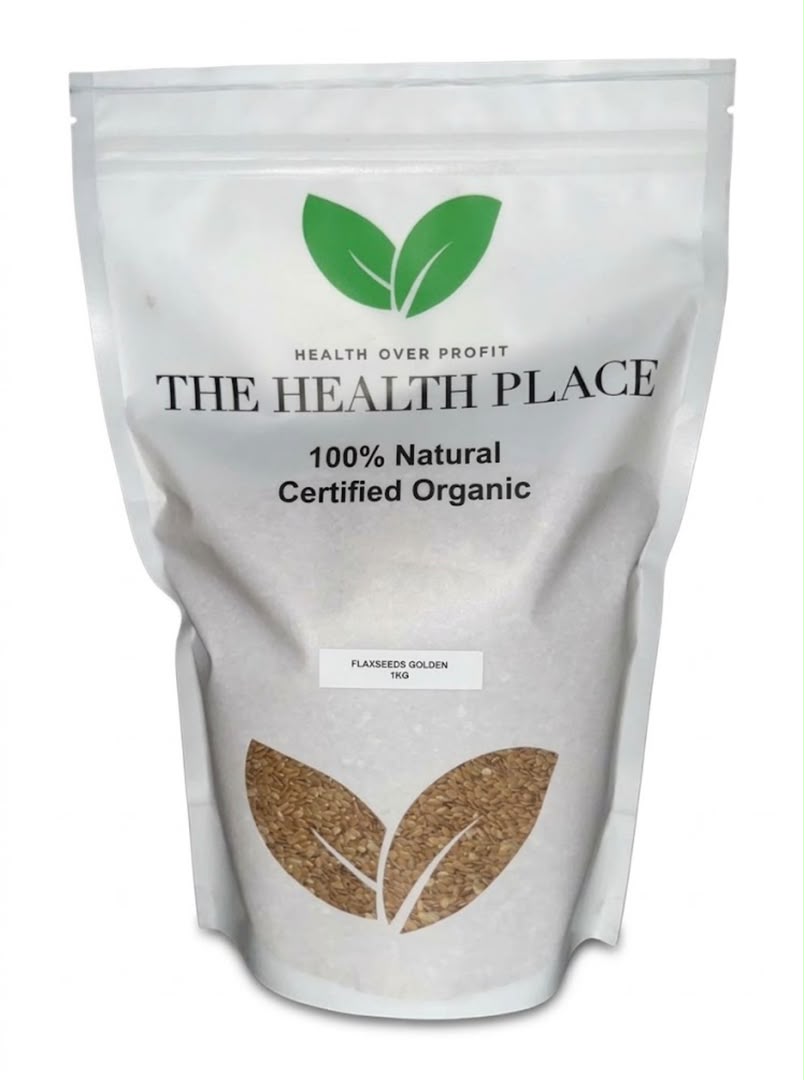
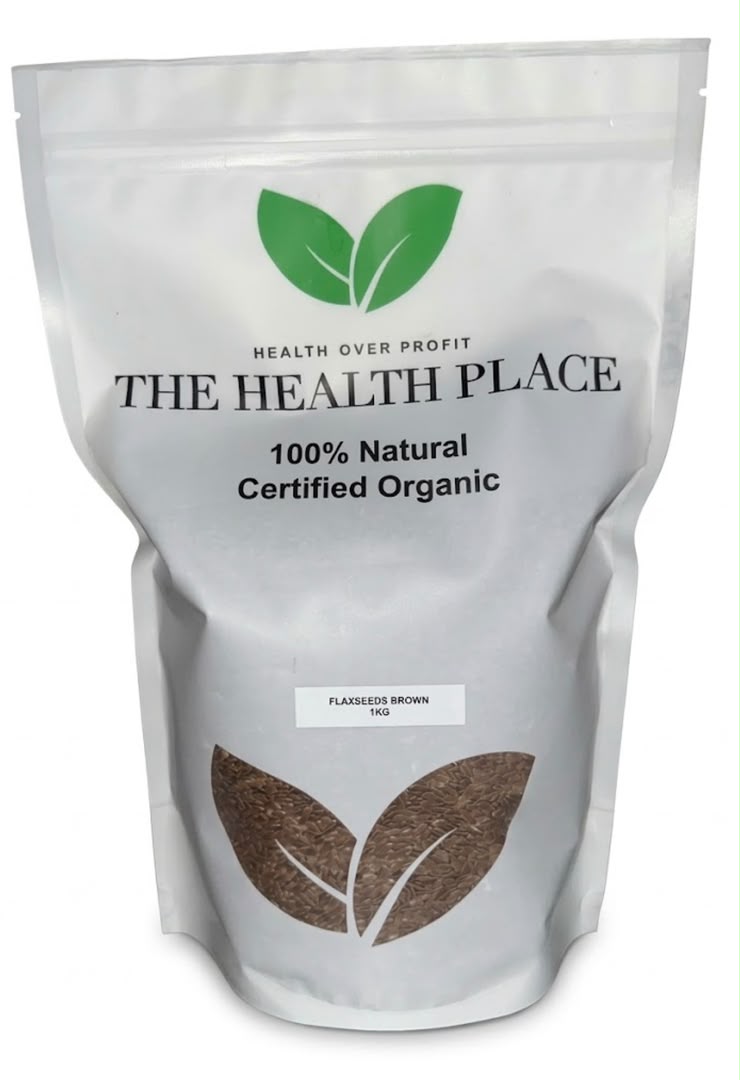
The Health Place offers both Golden and Brown Flaxseeds, sourced from the USA.
Both varieties have similar nutritional benefits. Golden Flaxseeds generally have a milder, slightly buttery flavor, while Brown Flaxseeds have a slightly stronger, nuttier taste.
What is the difference between Golden and Brown Flaxseeds?
The main differences are their color and subtle flavor characteristics.
Both varieties contain fiber, plant-based omega-3 fatty acids, lignans, protein and essential minerals.
Neither variety is consistently nutritionally superior to the other. You can choose based on your personal preference.
What nutrients do Flaxseeds contain?
Flaxseeds are particularly rich in three nutritional components:
- Fiber: Supports digestive regularity and contributes to healthy cholesterol levels.
- Omega-3 fatty acids: Flaxseeds contain alpha-linolenic acid (ALA), an essential plant-based omega-3 fat.
- Lignans: Naturally occurring plant compounds with antioxidant and phytoestrogen activity.
Flaxseeds also provide plant protein and minerals, including magnesium.
What are Flaxseeds traditionally used for?
Flaxseeds have a long history of use as food and for supporting digestive regularity.
Today, they are commonly included in diets focused on digestive health, cardiovascular wellness and increasing daily fiber intake.
Can Flaxseeds help with constipation?
Yes. Flaxseeds may help relieve occasional constipation because they contain both soluble and insoluble fiber.
Soluble fiber absorbs water and forms a gel, while insoluble fiber adds bulk to stool. Together, they can help support regular bowel movements.
Start with small amounts, increase gradually and drink adequate water.
Persistent constipation, severe abdominal pain or blood in the stool requires medical evaluation.
Can Flaxseeds help lower cholesterol?
Research suggests that regular flaxseed consumption may modestly reduce total cholesterol and LDL (often called bad cholesterol).
Clinical studies have generally shown more consistent cholesterol benefits from whole or ground flaxseeds than from flaxseed oil alone.
Flaxseeds can complement a heart-conscious diet but should not replace prescribed cholesterol medication.
Can Flaxseeds help lower blood pressure?
Some systematic reviews of clinical trials have found modest reductions in systolic and diastolic blood pressure among people consuming flaxseeds regularly.
However, results vary depending on the amount consumed, preparation and duration of use.
Flaxseeds are not a substitute for blood pressure medication or medical treatment.
Are Flaxseeds beneficial during perimenopause and menopause?
Flaxseeds can be a useful addition to the diet during perimenopause and menopause.
Their fiber supports digestive regularity, cholesterol management and healthy blood sugar responses, all of which are relevant to long-term metabolic health.
Flaxseeds also contain lignans, plant compounds with mild estrogen-like activity. Researchers have investigated whether these compounds influence menopausal symptoms, but results remain inconsistent.
Can Flaxseeds help with colorectal cancer prevention?
Men of African ancestry, face a disproportionately high burden of colorectal cancer.
Research has consistently linked higher dietary fiber intake, especially from whole grains, with a lower risk of colorectal cancer.
Unfortunately, many people do not consume enough fiber daily.
Golden and Brown Flaxseeds offer an affordable, convenient way to increase your daily fiber intake. Just two tablespoons of ground flaxseed provide approximately 4 grams of fiber and can easily be added to everyday meals.
Should I eat Flaxseeds whole or ground?
Ground Flaxseeds are generally preferable for nutrient absorption.
The tough outer shell of whole flaxseeds can resist digestion, meaning some seeds may pass through the digestive system without releasing all their nutrients.
Grinding helps your body access more of their omega-3 fats and other nutritional components.
Whole flaxseeds can still contribute dietary fiber.
How much Flaxseed should I consume daily?
For most adults who tolerate fiber well, 1–2 tablespoons of ground flaxseed daily is a commonly used dietary amount.
If you are new to flaxseeds, begin with approximately one teaspoon daily and gradually increase as tolerated.
Consuming too much fiber too quickly may cause bloating, gas or loose stools.
How can I add Flaxseeds to my meals?
Both Golden and Brown Flaxseeds can be ground and added to everyday foods, including:
- Pap or ogi
- Oatmeal
- Yogurt
- Smoothies
- Soups
- Salads
- Homemade bread and other baked goods
For better nutrient availability, grind whole seeds before use.
Store leftover ground flaxseeds in an airtight container in the refrigerator to help preserve freshness.
Do I need to drink water when consuming Flaxseeds?
Yes. Adequate fluid intake is important when increasing dietary fiber.
Flaxseed fiber absorbs water, and insufficient fluid intake may worsen constipation or cause digestive discomfort.
There is no universal requirement to drink exactly 200 ml of water with every tablespoon, but avoid swallowing large quantities of dry flaxseeds without adequate fluid.
Can Flaxseeds help with blood sugar management?
Flaxseeds contain fiber that can slow digestion and influence how quickly carbohydrates are absorbed.
Some clinical studies suggest that flaxseed consumption may modestly improve certain blood sugar measurements, although findings vary.
Flaxseeds should be considered part of a balanced diet, not a treatment for diabetes.
People taking diabetes medication should monitor their blood sugar and discuss significant dietary changes with their healthcare professional.
Are Flaxseeds safe during pregnancy or breastfeeding?
Evidence on flaxseed safety during pregnancy and breastfeeding is limited, particularly for medicinal quantities, concentrated extracts and flaxseed oil supplements.
Guidance differs between health authorities.
Pregnant or breastfeeding women should consult their healthcare professional before using flaxseeds regularly in substantial amounts or for medicinal purposes.
Can women with fibroids, endometriosis or breast cancer consume Flaxseeds?
Flaxseeds contain lignans, which have phytoestrogen activity.
However, phytoestrogens do not act exactly like human estrogen, and their presence does not automatically mean flaxseeds worsen hormone-sensitive conditions.
Research is insufficient to recommend flaxseeds as a treatment for fibroids, endometriosis or breast cancer.
People with hormone-sensitive cancers or undergoing hormonal treatment should discuss concentrated flaxseed products or substantial dietary changes with their healthcare professional.
Can Flaxseeds interact with medications?
Potential interactions have been raised with certain medications, including:
- Blood thinners and antiplatelet medications
- Blood pressure medications
- Diabetes medications
- Certain oral medications whose absorption may be affected by dietary fiber
People taking thyroid medication such as levothyroxine should ask their pharmacist about appropriate timing.
Do not discontinue or adjust prescribed medication without medical guidance.
Who should avoid Flaxseeds?
People with a known flaxseed allergy should avoid them.
Those with bowel obstruction, swallowing difficulties or medical conditions requiring fiber restriction should avoid bulk flaxseed preparations unless advised otherwise by a healthcare professional.
Avoid consuming raw or unripe flaxseeds.
What are the possible side effects of Flaxseeds?
Flaxseeds are generally well tolerated in ordinary food amounts.
However, some people may experience bloating, gas, abdominal discomfort or loose stools, especially when introducing large amounts too quickly.
Start gradually and maintain adequate hydration.
Can I consume Flaxseeds every day?
Yes. For most healthy adults, moderate daily consumption of flaxseeds can be part of a balanced diet.
Consistency, adequate hydration and dietary variety are more important than consuming large quantities.
Where can I buy Golden and Brown Flaxseeds in Nigeria?
The Health Place offers both Golden and Brown Flaxseeds, sourced from the USA, for delivery within Nigeria.
Premium Quality
No fillers, flow agents, or preservatives
• Imported 100% raw from trusted sources ✔
• Carefully Packed in Nigeria ✔
• ISO 22000:2018 Certified ✔
• SGS cGMP (21 CFR Part 111) Certified ✔
• Halal & Kosher Certified ✔
• Non-GMO ✔
All our products are 100% natural, produced under globally recognized certifications, and processed in FDA-registered, GMP-certified facilities.
Statements regarding dietary supplements have not been evaluated by the FDA and are not intended to diagnose, treat, cure, or prevent any disease or health condition.

Choose options