
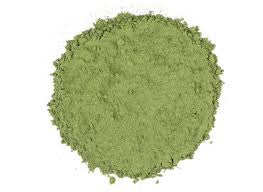
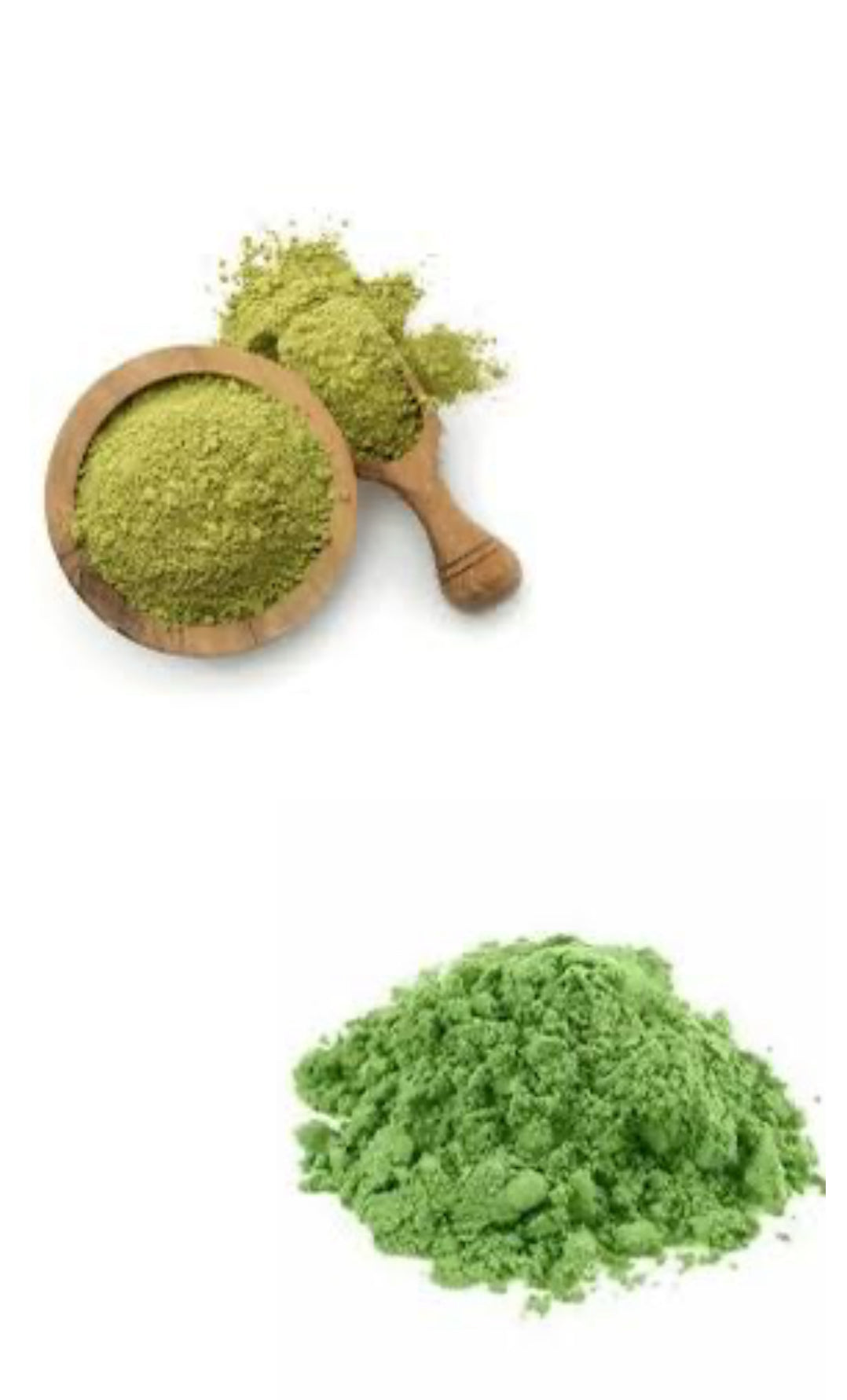
Ayuverda Herbal Hair Powders Herbal Mix -Choose Form
AYURVEDIC HAIR POWDERS & NATURAL HAIR COLOR
Looking for a plant-based way to colour, condition or care for your hair?
Start here.
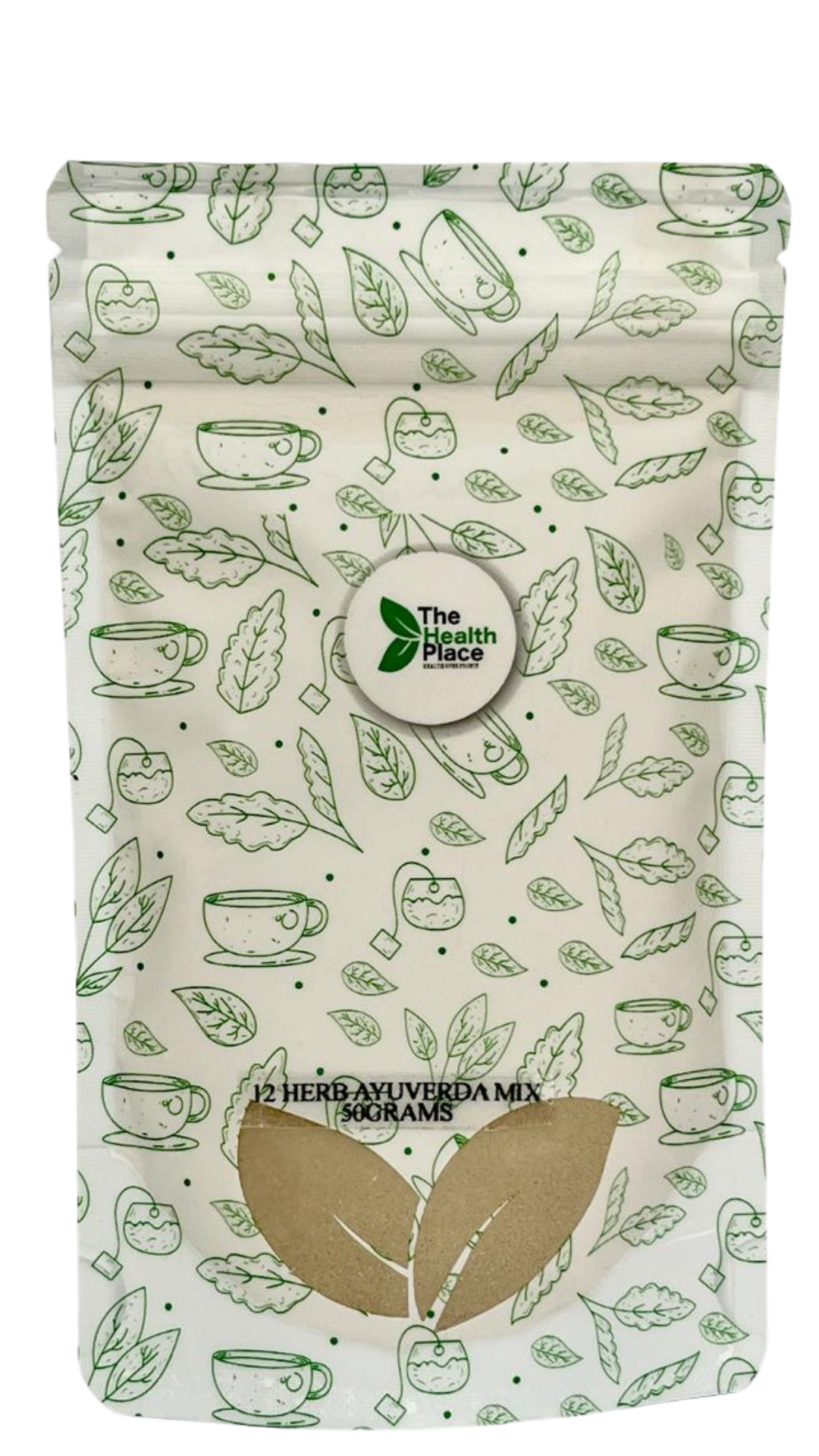
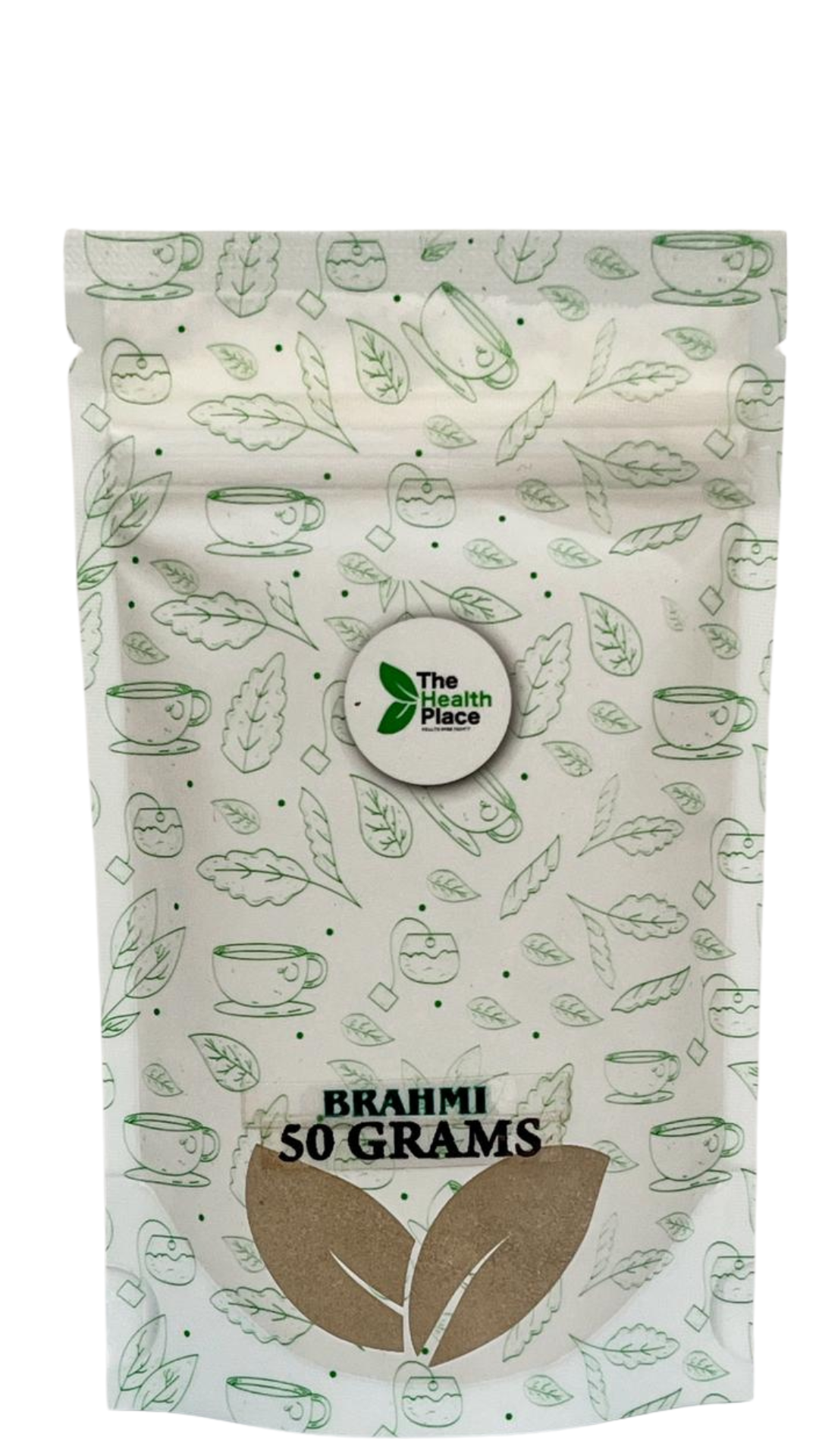
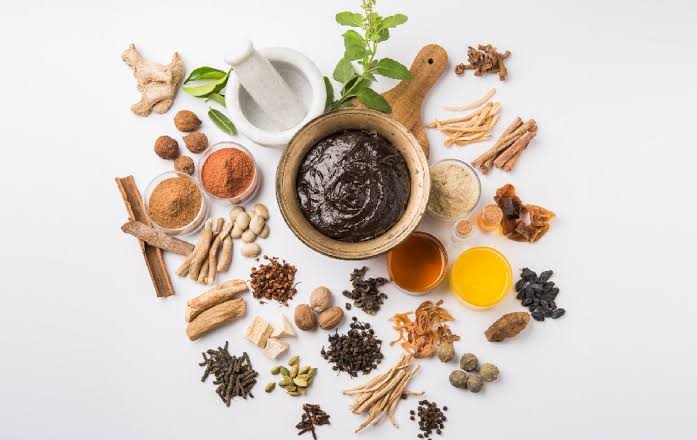
Our Ayurvedic Hair Powder collection includes Henna, Indigo, Natural Black Hair Dye (Henna + Indigo), Bhringraj, Shikakai, Horsetail and our 12 Ayurvedic Herbal Mix, among other traditional hair-care herbs.
Some of these powders are used to colour the hair. Others are traditionally used as part of Ayurvedic hair and scalp-care routines.
IMPORTANT: NATURAL HAIR COLOUR DOES NOT BEHAVE LIKE CONVENTIONAL BOXED DYE.
Your final result depends on:
- Your natural/starting hair colour
- How much grey you have
- Hair porosity
- Previous chemical treatments
- Product buildup
- How the powder is prepared
- How thoroughly you saturate the hair
- Processing time
- Number of applications
Two people can use exactly the same product and achieve noticeably different results.
That does not necessarily mean the product failed.
WHAT ARE YOU TRYING TO ACHIEVE?
I WANT COPPER, AUBURN, REDDISH-BROWN OR MAROON HAIR
Choose HENNA.
Henna does not naturally dye hair black.
It deposits warm colour onto your existing hair colour. Depending on where you are starting, this may appear copper, auburn, reddish-brown, burgundy or deep maroon.
On grey or very light hair, the first application can look considerably brighter or more copper.
On naturally dark hair, the change may be much more subtle and may show primarily as warm reddish or burgundy tones in the light.
Repeated applications can gradually build a deeper, richer colour.
I WANT BLACK OR VERY DARK HAIR
Choose HENNA + INDIGO.
Henna creates the warm base. Indigo is then used to deepen that base toward dark brown or black.
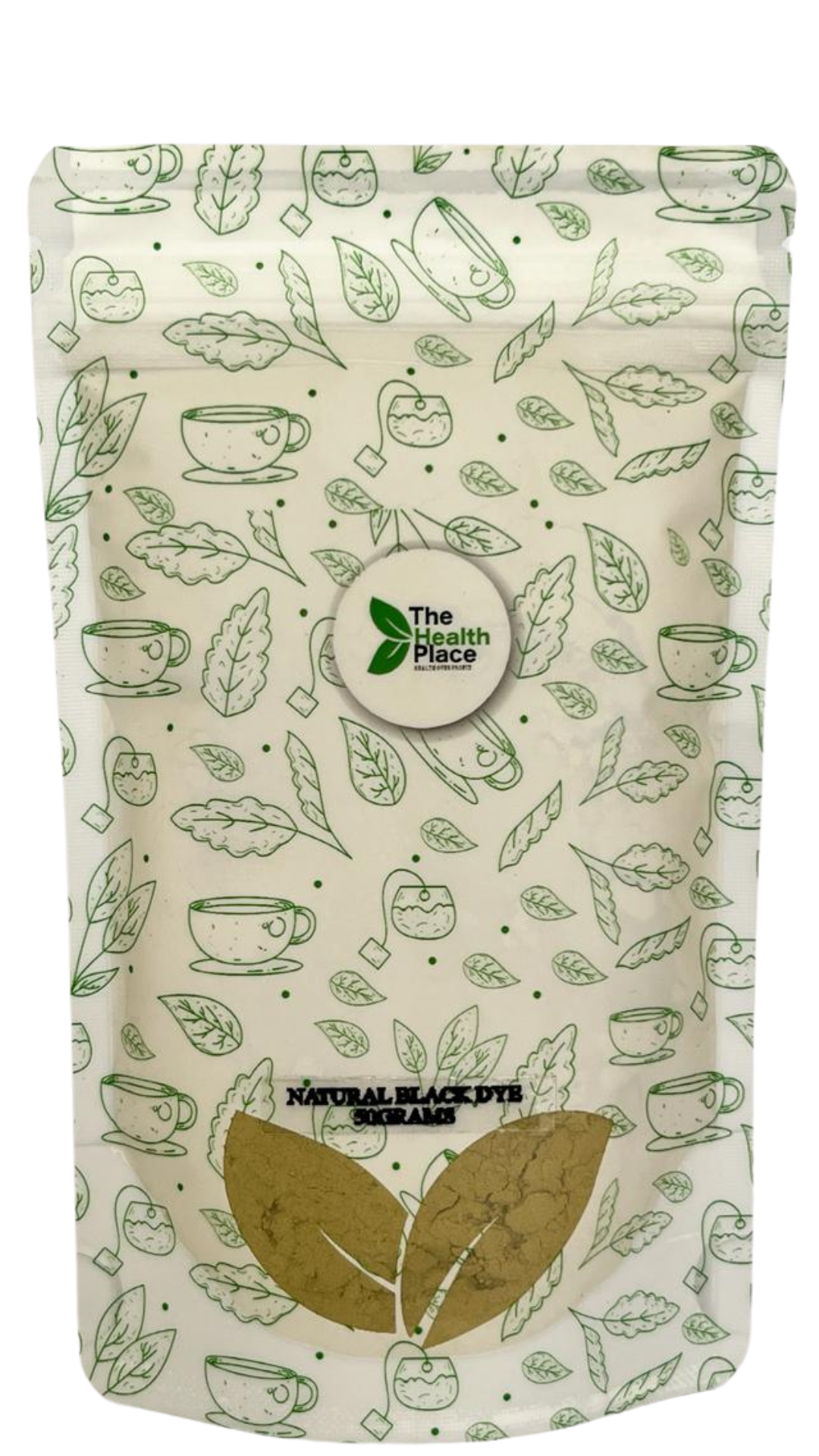
For convenience, we also have our Natural Black Hair Dye Henna + Indigo blend.
However, customers with a lot of grey, very resistant grey or hair that does not take the premixed product adequately may get better results using Henna and Indigo separately with the two-step method.
I ALREADY USED HENNA AND WANT TO MAKE IT DARKER
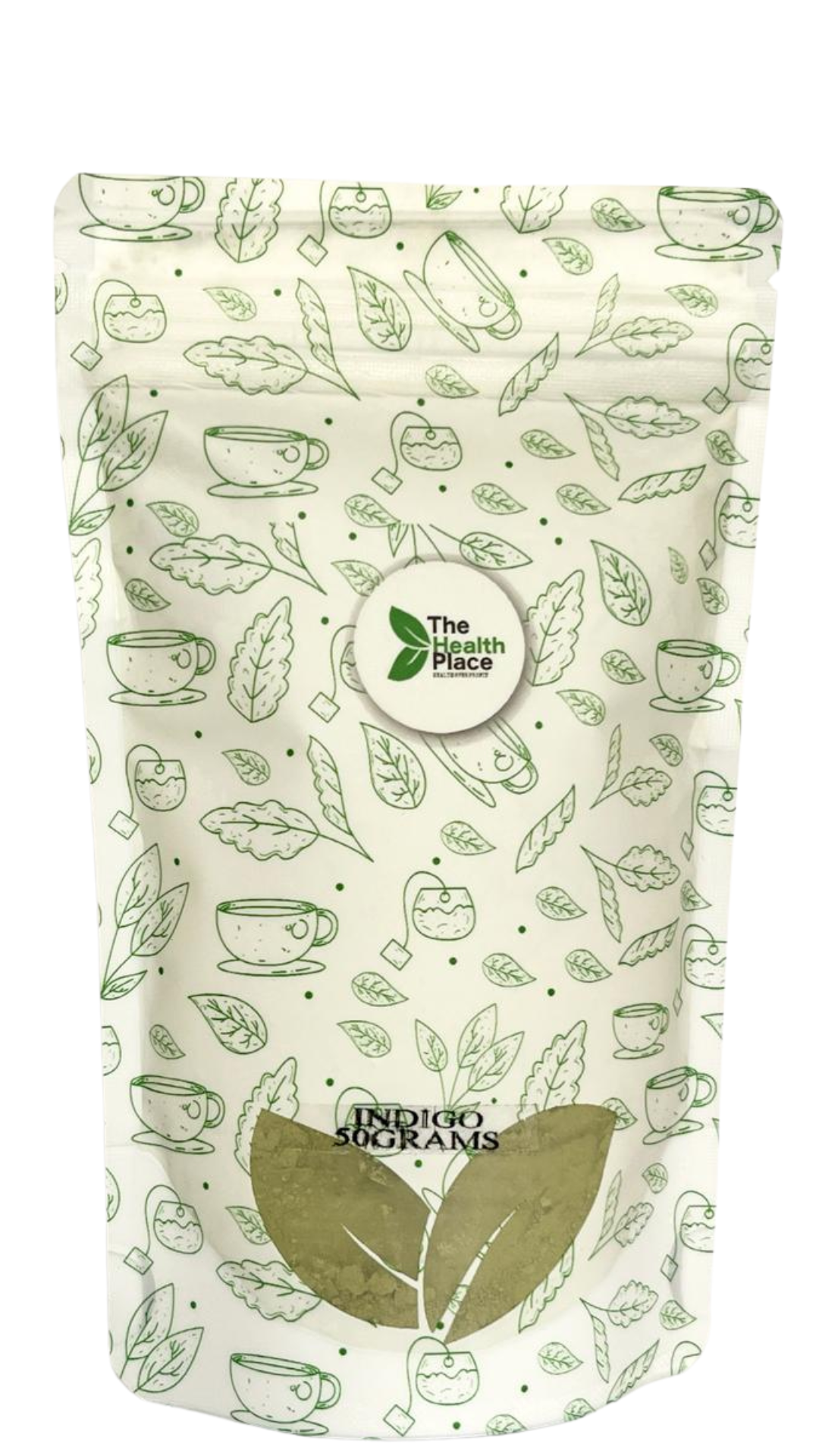
Choose INDIGO.
Indigo is traditionally used over henna-treated hair to move the colour toward brown, dark brown or black.
Indigo is not simply “black henna,” and it should not be prepared exactly like henna.
I DON’T WANT TO COLOUR MY HAIR. I WANT AYURVEDIC HAIR CARE.
Choose the appropriate non-colouring herbal powder or our 12 Ayurvedic Herbal Mix if you want several traditional hair-care herbs already combined.
More information on those powders is further down this page.
NATURAL HAIR DYE FAQs
MY HENNA DIDN’T MAKE MY HAIR BLACK. DID IT FAIL?
No.Henna isn’t supposed to make your hair black.Henna produces warm tones in the copper, auburn, reddish-brown and maroon family.
If your goal is black or very dark hair, you need Henna + Indigo. For resistant grey hair, the two-step Henna → Indigo method may work better than expecting one application of a premixed product to produce uniform black coverage.
DOES HENNA COME IN DIFFERENT COLORS?
Pure henna itself does not come in a rainbow of different dye colors.What changes is the way the henna looks on your existing hair color.
Someone with grey hair, someone with light brown hair and someone with naturally black hair can use the same henna and see very different results.
WHY DID MY HENNA COME OUT ORANGE/COPPER INSTEAD OF DARK MAROON?
Your starting hair colour matters.Grey, white and very light strands can initially appear much brighter or more copper than naturally dark strands.That does not necessarily represent the final depth you can achieve.
Henna colour can deepen after application, and repeated applications can create a richer and deeper result.
If your ultimate goal is black, don’t keep applying henna expecting it eventually to become black. Move to the Henna + Indigo method.
WHY DOES HENNA LOOK DIFFERENT ON DIFFERENT PEOPLE?
Because botanical hair colour interacts with the hair underneath it.Results can be affected by:
- Starting hair colour
- Percentage of grey
- Hair porosity
- Previous colouring
- Relaxing or other chemical processing
- Product buildup
- Preparation
- Processing time
- Amount applied
- Previous henna applications
This is why we cannot promise one exact shade for every customer.
HOW TO USE HENNA
Henna is the option for customers seeking warm copper, auburn, reddish-brown or maroon tones. It is also the first stage of the two-step process for customers seeking black hair with Henna + Indigo.
1. START WITH CLEAN HAIR
Wash away oils, silicones and heavy styling-product buildup.You want the botanical paste to make good contact with the hair.
2. PREPARE YOUR HENNA
Mix the powder with liquid until you have a smooth, thick, spreadable paste approximately a yoghurt-like consistency. Follow the preparation instructions provided with your THP product.
3. ALLOW THE HENNA TO RELEASE ITS DYE
Henna is not an instant-mix-and-rinse conventional dye. Allow the mixture the appropriate resting/dye-release period according to the product instructions before application.
4. SECTION YOUR HAIR
Wear gloves. Divide the hair into manageable sections so that you can properly coat the roots and lengths.
5. SATURATE THE HAIR
This part matters enormously. Do not apply a tiny amount and expect complete color coverage.Every area you want colored should be generously and thoroughly coated.
6. COVER THE HAIR
Cover with a shower cap or plastic wrap so the paste does not dry out while processing.
7. ALLOW IT TO PROCESS
Follow the processing time specified in the product instructions.
8. RINSE THOROUGHLY
Rinse the paste completely from the hair. Don’t judge your final color immediately after rinsing. Botanical colour can continue to develop and settle afterward.
I WANT BLACK HAIR. HOW DO I USE HENNA + INDIGO?
For customers with resistant grey or those who have not achieved sufficient darkness with a premixed Henna + Indigo product, we recommend understanding the two-step method.
STEP ONE: HENNA
Prepare your Henna according to its instructions.
Apply it generously to clean, sectioned hair.
Make sure the hair is thoroughly saturated.
Cover and process according to the instructions.
Rinse thoroughly.
MY GREY HAIR IS NOW COPPER/ORANGE!
That can be completely normal.
Don’t panic and don’t assume you’ve ruined your hair.
You have completed Step One.
The Henna has created the warm base that the Indigo will be applied over.
Now move to Step Two.
STEP TWO: INDIGO
Indigo behaves differently from Henna.
Do not prepare your Indigo hours in advance as though it were Henna.
Prepare it close to the time you intend to apply it.
Mix according to the THP product instructions until you have a smooth, spreadable paste.
Apply generously over the Henna-treated hair.
Again, saturation matters.
Cover the hair and allow it to process according to the instructions.
Rinse thoroughly.The resulting colour can continue to settle/deepen after rinsing, so don’t make an immediate judgement while the hair is still wet.
WHY DID MY HENNA + INDIGO NOT TURN MY HAIR BLACK?
There are several possibilities.
1. YOU HAVE RESISTANT GREY HAIR
Grey hair varies enormously. Some grey hair accepts botanical color readily. Some is extremely resistant.You may need repeated applications or the two-step method.
2. YOU USED TOO LITTLE PRODUCT
The hair needs to be properly saturated. Trying to stretch one small pack over a large amount of hair can produce patchy or disappointing coverage.
3. YOUR HAIR HAD HEAVY PRODUCT BUILDUP
Heavy oils, silicones and styling products can interfere with good contact between the hair and botanical paste.
4. YOUR PREPARATION WAS INCORRECT
Henna and Indigo are not prepared identically. Henna requires its appropriate preparation/dye-release process.Indigo should be prepared close to application.
5. YOU DID NOT LEAVE IT ON LONG ENOUGH
Follow the recommended processing instructions.
6. YOUR HAIR IS LOW POROSITY OR OTHERWISE RESISTANT
Hair structure varies. Some people’s hair accepts colour much more readily than others.
7. YOUR HAIR HAS PREVIOUSLY BEEN CHEMICALLY TREATED
Relaxers, bleach, previous dyes and other chemical treatments can affect how hair responds. This is another reason we recommend a strand test.
8. YOU EXPECTED BOTANICAL DYE TO BEHAVE LIKE SYNTHETIC BOX DYE
This is probably one of the biggest misunderstandings.Natural botanical color is not necessarily:apply once → rinse → instant identical jet-black result on everybody. Your starting hair matters.
I HAVE VERY GREY HAIR. WHAT SHOULD I EXPECT?
Grey hair needs realistic expectations.If you use Henna alone, your grey strands may initially become noticeably copper, orange-red or reddish. If your objective is black hair, that is only Step One. You then use Indigo to deepen those Henna-treated strands. Very resistant grey may require more than one application before you achieve the depth you want.
Do not compare your result directly with someone who started with naturally dark brown or black hair.You are starting from two completely different bases.
HOW MANY TIMES WILL I NEED TO APPLY IT?
There is no honest universal number.Some customers achieve the color they want after one treatment.Others , particularly customers with resistant grey or those trying to build a very deep color may need repeated applications.The advantage is that once you understand how your own hair responds, subsequent applications and root touch-ups become much easier to predict.
HOW MUCH POWDER DO I NEED?
Our powders are sold in 50 g packs, and one pack is not automatically enough for a full head of hair.
As a rough guide:
50 g — very short hair or some root touch-ups
100 g — approximately short-to-medium hair
150–200 g or more — longer, very thick or very dense hair
These are estimates. Hair density can matter as much as length.A person with short but extremely dense hair may need more product than someone with longer but very fine hair. The important thing is to have enough paste to thoroughly saturate the hair.
And remember: If you are doing the separate two-step Henna + Indigo process, you need enough Henna AND enough Indigo for the area you are coloring.
CAN I USE HENNA OR INDIGO ON RELAXED, BLEACHED OR PREVIOUSLY DYED HAIR?
Previously processed hair can behave differently. If your hair has been relaxed, bleached, chemically colored or otherwise heavily processed, we strongly recommend performing a strand test first. Don’t make your first experiment your entire head.
Take a small hidden section and observe the result before proceeding.
SHOULD I DO A STRAND TEST?
Yes.Especially if:
- This is your first time using botanical hair colour
- You have a high percentage of grey
- Your hair is bleached
- Your hair is relaxed
- You have previously used conventional dyes
- You’re unsure what colour Henna will produce over your current shade
- You’re trying to achieve a particular final colour
A strand test gives you much more useful information than somebody else’s before-and-after photograph.
WILL THE COLOUR BE EXACTLY THE SAME AS THE PHOTO I SAW ONLINE?
Not necessarily. This is particularly important with Henna and Indigo. Your starting hair color remains part of the final result. A photograph can show you what is possible, but it cannot guarantee what the same botanical dye will look like on your hair.
WHAT IF MY ROOTS AND LENGTHS ARE DIFFERENT COLOURS?
Then they may respond differently. For example, someone may have:
- Grey roots
- Previously dyed lengths
- Naturally dark sections
Those are three different starting colors. One application can therefore produce slightly different tones across those areas. This is another reason repeated treatments and targeted root applications are sometimes necessary.
CAN I JUST USE THE NATURAL BLACK HENNA + INDIGO MIX INSTEAD?
Yes that is precisely why we offer the premixed option. It is the more convenient choice for customers seeking dark/black botanical color without purchasing and preparing the powders separately. However, convenience and maximum grey coverage are not necessarily the same thing.
If you have very resistant grey or the premixed product hasn’t given you sufficient depth, move to the separate: Henna → rinse → Indigo two-step method.
CAN I MIX HENNA AND INDIGO MYSELF AT THE SAME TIME?
You can use Henna and Indigo together for certain brown/darker color results, but if your specific objective is maximum black coverage on resistant grey, the two-step method gives you much more control: Henna first. Indigo second. That’s the method we would emphasize for the customer who says they tried natural black dye and their grey didn’t turn black.
WILL HENNA EVENTUALLY TURN BLACK IF I KEEP APPLYING IT?
No. Repeated Henna applications can deepen and enrich its warm color, but Henna itself is not a black dye. If black is the objective, introduce Indigo.
CAN I USE INDIGO WITHOUT HENNA?
Indigo can be used in different botanical coloring formulations, but if your objective is reliable black coverage particularly over grey/white hair we recommend using it with a Henna base rather than expecting Indigo alone to behave like conventional black box dye.
WHAT ABOUT BHRINGRAJ, SHIKAKAI, HORSETAIL AND THE OTHER POWDERS?
Not every Ayurvedic powder on this page is primarily a hair dye. Many customers use Ayurvedic herbs as part of their regular hair and scalp-care routines.
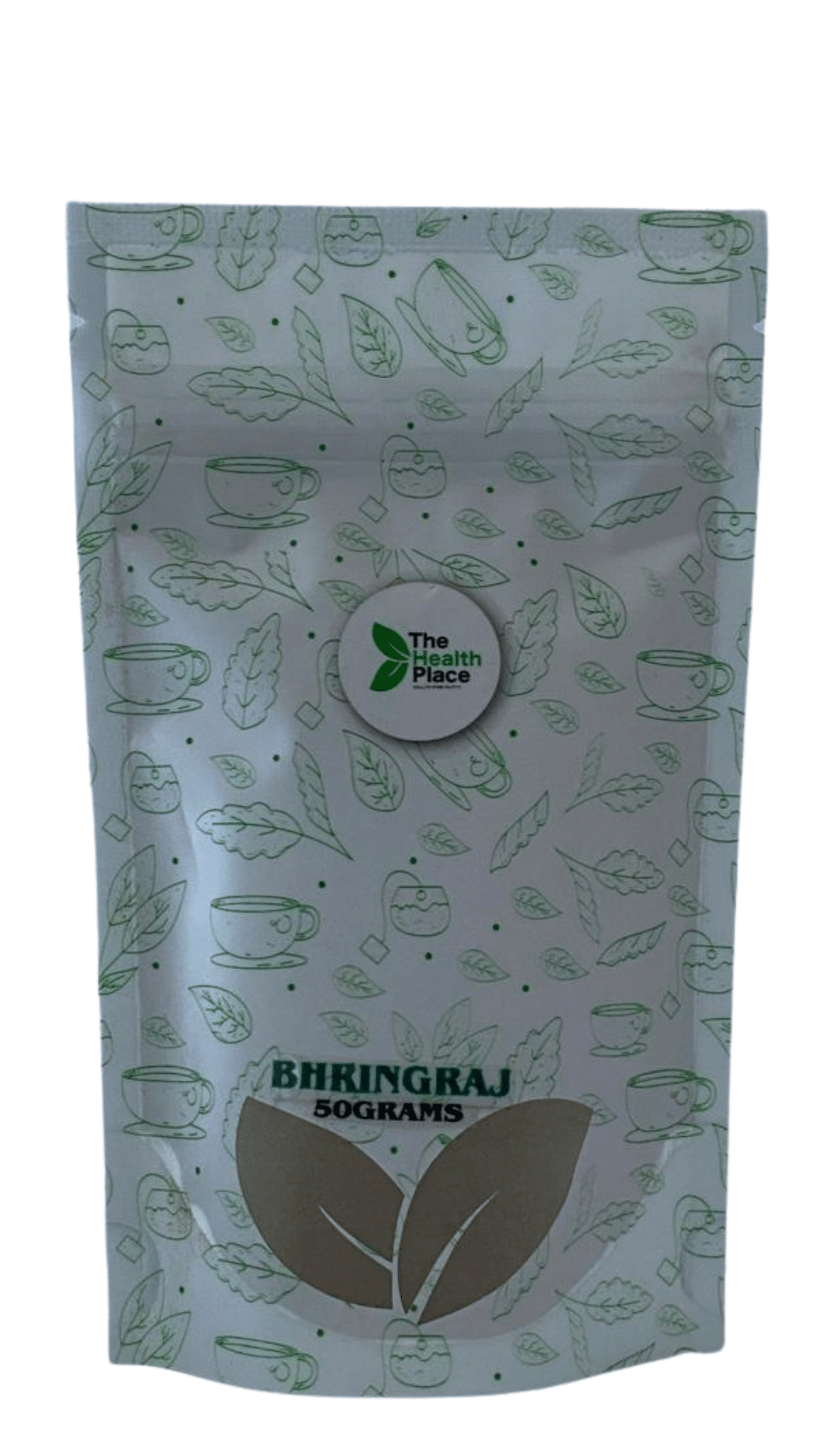
BHRINGRAJ
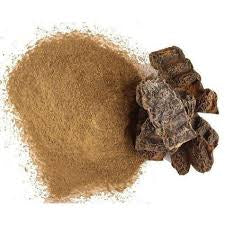
Traditionally used in Ayurvedic hair preparations and herbal hair-care routines. It can be incorporated into hair masks and infused preparations.
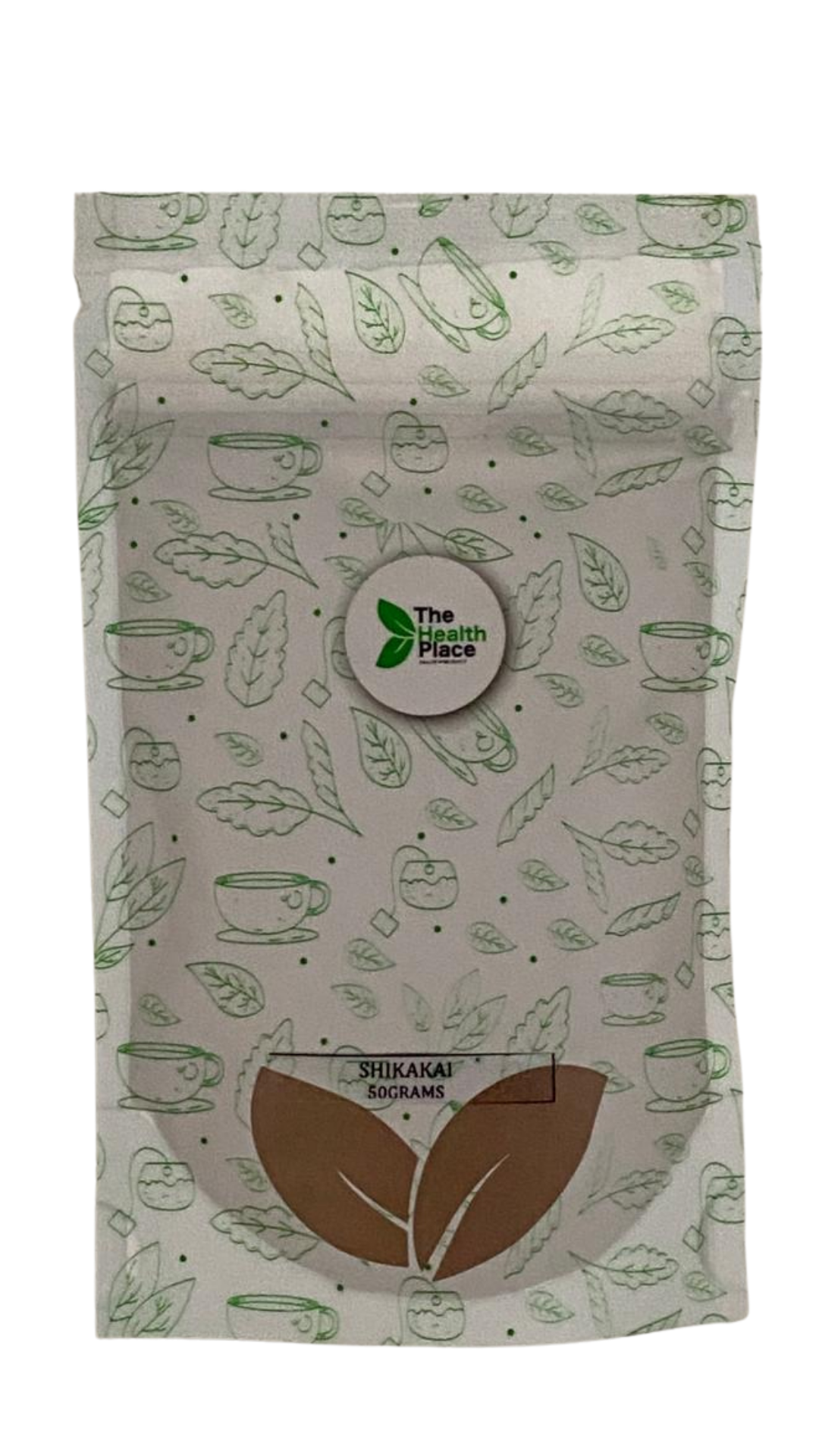
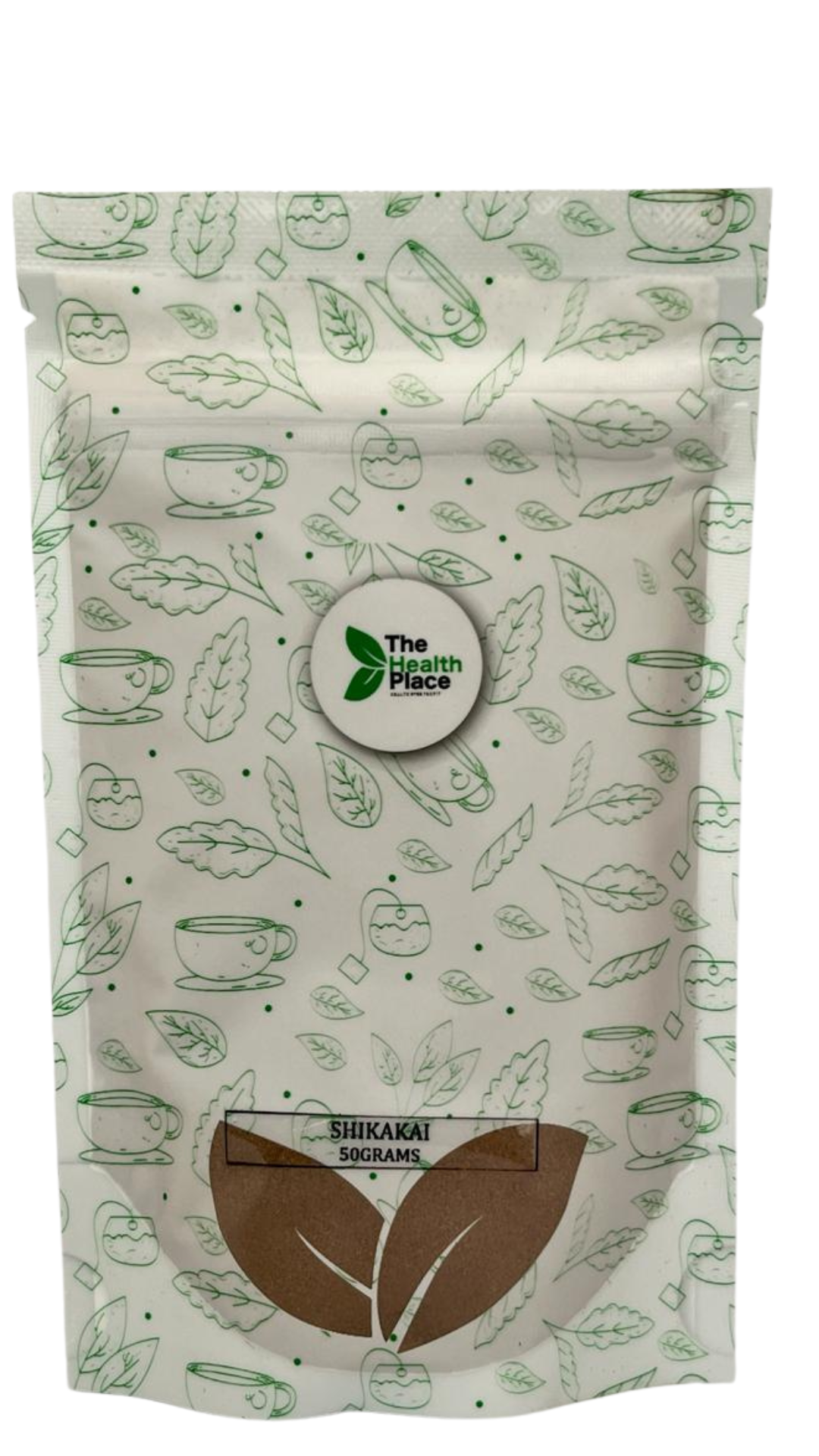
SHIKAKAI
Traditionally used in Ayurvedic hair cleansing and conditioning preparations. It is commonly incorporated into herbal washes and hair masks.
HORSETAIL
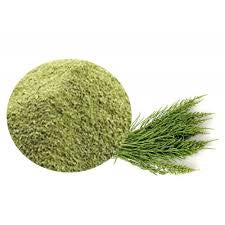
Traditionally incorporated into herbal hair rinses and hair-care preparations.
I DON’T WANT TO BUY ALL THE HERBS SEPARATELY. WHAT SHOULD I CHOOSE?
Choose our 12 Ayurvedic Herbal Mix.
This is the straightforward option for someone whose primary objective is Ayurvedic hair care rather than experimenting with multiple individual powders.
Our blend combines multiple traditional hair-care herbs in one product, including:
Amla
Aretha
Shikakai
Brahmi
Bhringraj
Aloe Vera
Methi
Hibiscus
Cassia Obovata
Sidr
Shankhpushpi
Cultured Curd Powder
Rather than buying several individual powders and trying to formulate your own blend, you have them together in one mix.
HOW CAN I USE THE 12 HERB MIX?
Depending on your preferred hair-care routine, the herbal mixture can be incorporated into preparations such as a hair mask, herbal rinse or infused hair oil, following the product directions.
If you already have a hair oil that works well for you, the herbs can also form part of an infused botanical hair-care routine rather than replacing your entire regimen.
BEFORE USING ANY BOTANICAL HAIR COLOUR
Please perform a patch test and strand test before full application, particularly if you have sensitive skin, allergies or chemically treated hair.
Wear gloves during application.
Do not apply to an irritated or damaged scalp.
Avoid contact with the eyes.
Do not use hair-colouring products on eyebrows or eyelashes.
Stop use if significant irritation occurs.
And importantly, products marketed elsewhere as “black henna” are not necessarily the same thing as pure botanical Henna + Indigo. Some products sold under the name “black henna” may contain additional synthetic dye ingredients such as PPD. Always check what you are purchasing.
STILL NOT SURE WHAT TO BUY?
Use this quick guide:
I want copper / auburn / reddish-brown / maroon → HENNA
I want black / very dark hair → HENNA + INDIGO
I want the convenient premixed black option → NATURAL BLACK HAIR DYE
I tried the premixed black option and my resistant greys didn’t take → HENNA + INDIGO SEPARATELY using the two-step method
I want Ayurvedic hair care rather than hair colour → 12 HERB AYURVEDIC MIX
I want to build my own Ayurvedic hair routine → Choose the individual herbal powders appropriate to your routine
Premium Quality
No fillers, flow agents, or preservatives
• Imported 100% raw from trusted sources ✔
• Carefully Packed in Nigeria ✔
• ISO 22000:2018 Certified ✔
• SGS cGMP (21 CFR Part 111) Certified ✔
• Halal & Kosher Certified ✔
• Non-GMO ✔
All our products are 100% natural, produced under globally recognized certifications, and processed in FDA-registered, GMP-certified facilities.
Statements regarding dietary supplements have not been evaluated by the FDA and are not intended to diagnose, treat, cure, or prevent any disease or health condition.

Choose options