
Psyllium Husk- Choose Size
Scientific Name: Plantago ovata
Origin: India
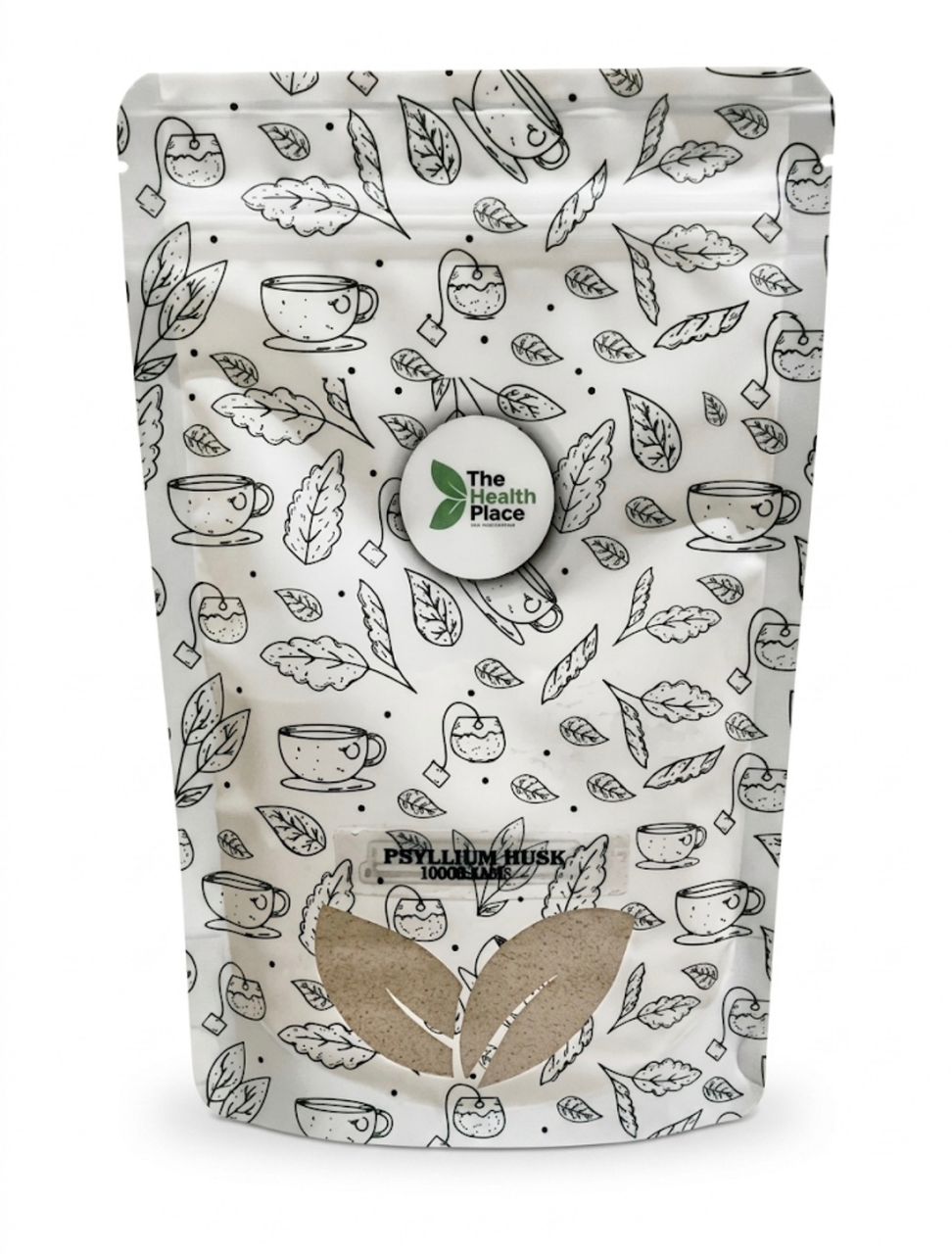
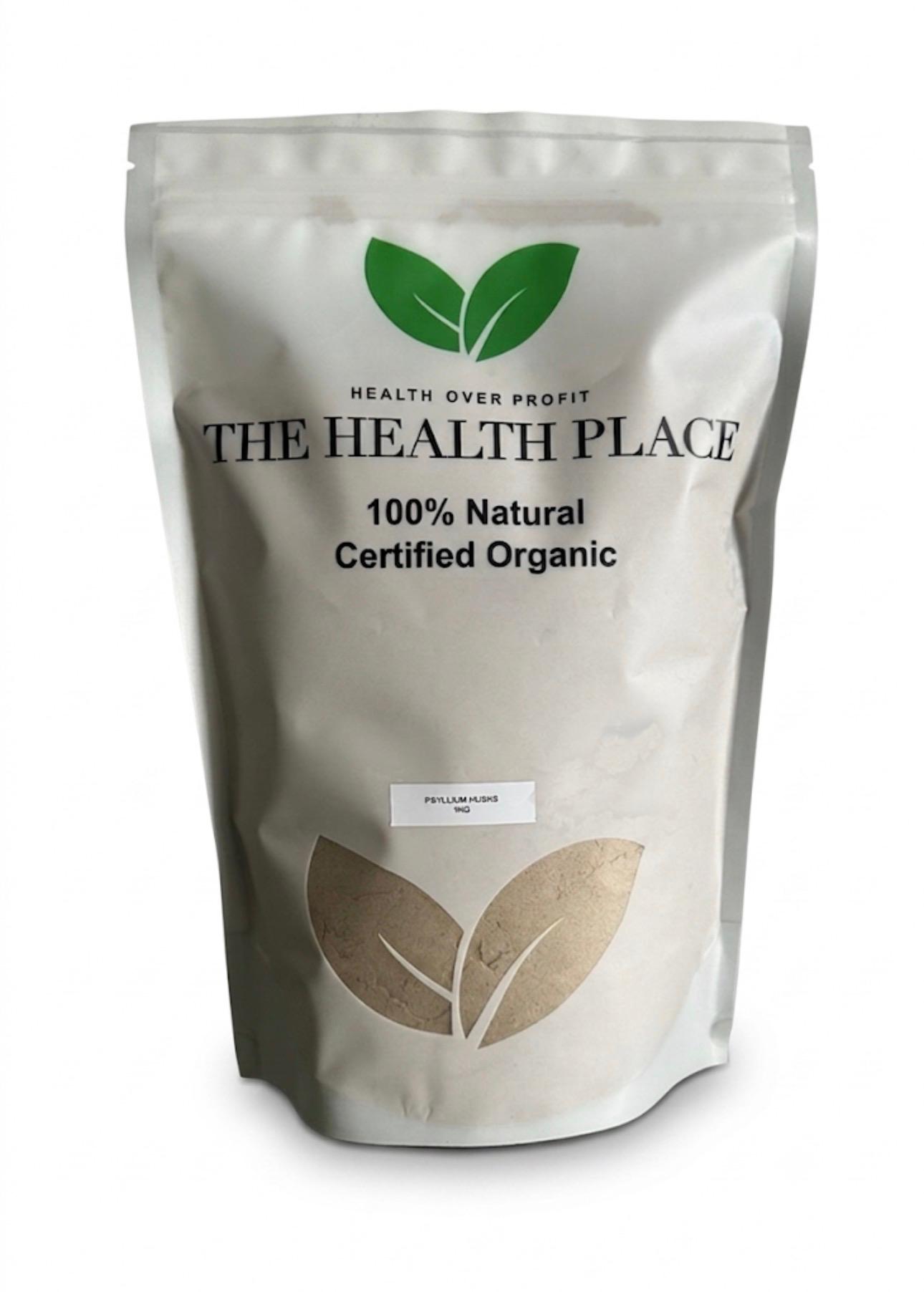
Available Sizes: 100g, 400g and 1kg
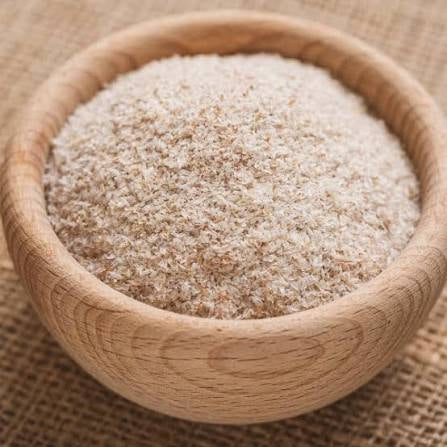
Psyllium Husk is a natural soluble fibre obtained from the outer husk of the seeds of Plantago ovata.
When mixed with water, Psyllium absorbs liquid and expands to form a soft gel. This makes it particularly useful for constipation and bowel regularity, increasing daily fibre intake, supporting digestive health, increasing fullness and supporting appetite and weight management.
Psyllium’s soluble fibre can also support healthy cholesterol levels and post-meal blood sugar response, making it a useful addition to a broader metabolic and cardiovascular wellness routine.
For appetite and weight-management support, Psyllium can be taken approximately 30 minutes before meals with plenty of water. Because it expands in the digestive tract, it can help you feel fuller for longer, which may make it easier to eat smaller portions while still feeling satisfied.
FREQUENTLY ASKED QUESTIONS
What is Psyllium Husk?
Psyllium Husk is a natural soluble fibre derived from the outer husk of the seeds of Plantago ovata.
When Psyllium comes into contact with water, it absorbs the liquid and expands into a soft, gel-like consistency. This gel-forming property is responsible for many of its uses for constipation, bowel regularity, fullness, appetite management and digestive health.
Is Psyllium Husk good for constipation?
Yes. Constipation and bowel regularity are among the primary reasons people use Psyllium Husk.Psyllium absorbs water and adds moisture and bulk to stool, helping support easier and more regular bowel movements.
It is extremely important to take Psyllium with plenty of water.
How do I use Psyllium Husk for constipation?
Start gradually, particularly if you currently eat very little fibre.The current THP beginner routine is:
Start with 1 teaspoon once daily.
Gradually increase according to your tolerance and the directions on your pouch.
Always mix Psyllium with sufficient liquid and maintain good water intake throughout the day.
Can Psyllium Husk help with weight management?
Yes. Psyllium can be useful as part of a weight-management routine because it absorbs water and expands, helping you feel fuller for longer.
When taken before meals, this may make it easier to eat smaller portions, reduce unnecessary snacking and manage your overall food intake.
Psyllium is not a fat burner. Its usefulness for weight management comes primarily from its effects on fibre intake, fullness, appetite and meal satisfaction.
How should I take Psyllium Husk for appetite and weight management?
Take Psyllium approximately 30 minutes before your meal with plenty of water.
Because Psyllium absorbs liquid and expands, taking it before eating can help increase fullness so that you may be satisfied with a smaller portion of food.
Will Psyllium Husk keep me fuller for longer?
It can.Psyllium’s gel-forming soluble fibre can increase satiety and help you remain satisfied between meals. This is why many people incorporate Psyllium into routines designed to reduce overeating and unnecessary snacking.
Why is fiber important?
Fiber is not only important for constipation.Adequate dietary fibre supports bowel regularity, digestive health, satiety, the gut microbiome and metabolic and cardiovascular health.
Psyllium can be particularly useful when your normal diet does not consistently provide enough fibre.
Is Psyllium Husk a prebiotic?
Psyllium can interact with the gut microbiome, and some of its fibre can be fermented by intestinal bacteria.
A prebiotic is a substrate that is selectively used by beneficial microorganisms in the body and provides a health benefit.
Psyllium is better known primarily as a soluble, gel-forming fiber, so THP recommends it principally for fibre intake, bowel regularity, digestive health, satiety and metabolic wellness rather than marketing it simply as a prebiotic.
Does Psyllium Husk support gut health?
Yes.Psyllium supports gut health primarily by increasing soluble fibre intake and promoting bowel regularity.
Fiber also interacts with the gut microbiome, and improving fibre intake can form part of a broader gut-health routine.
Can Psyllium Husk help with bloating?
It depends on the cause.Improving bowel regularity may help some people who experience bloating alongside constipation. However, introducing too much Psyllium too quickly can itself cause gas, bloating, cramping or uncomfortable fullness.
This is why you should start slowly and increase gradually.
Why should I start Psyllium Husk slowly?
If your normal diet is low in fiber, suddenly consuming a large amount can cause:
- Bloating
- Gas
- Cramping
- Digestive discomfort
- Excessive fullness
Start with 1 teaspoon once daily and increase gradually according to your tolerance.
How can Psyllium Husk be used?
Psyllium is extremely versatile. It can be mixed into:
- Water
- Smoothies
- Yoghurt
- Oatmeal
- Soups
- High-fibre recipes
- Low-carbohydrate swallow alternatives
- Vegetable-based mixtures
It can also be used as a binder in certain high-fiber and low-carbohydrate recipes.
How do I mix Psyllium Husk with water?
Add your serving to a full glass of water and stir well.
Psyllium begins absorbing water quickly, so drink it promptly after mixing rather than allowing it to sit until it becomes extremely thick. Follow with adequate water and remain well hydrated throughout the day.
Can I add Psyllium Husk to smoothies?
Yes.Psyllium can be added to smoothies, but remember that it absorbs liquid and will gradually make your smoothie thicker. You should still drink adequate water.
Can I add Psyllium Husk to yoghurt or oatmeal?
Yes. Psyllium can be mixed into yoghurt or oatmeal. Because it absorbs liquid, make sure you also consume adequate water.
Can Psyllium Husk be used to make swallow?
Yes.Psyllium’s ability to absorb liquid and bind ingredients makes it useful in some low-carbohydrate and high-fibre swallow alternatives.
It can also be combined with vegetable-based mixtures such as cabbage blends.
Can Psyllium Husk support cholesterol management?
Yes. Soluble Psyllium fibre can help support healthy cholesterol levels, particularly LDL cholesterol, when used regularly alongside an appropriate diet.
If you have been diagnosed with high cholesterol or take cholesterol-lowering medication, Psyllium should complement not replace your prescribed treatment.
Can Psyllium Husk help with blood sugar management?
Psyllium forms a viscous gel that can slow the digestion and absorption of carbohydrates and may help moderate the rise in blood glucose after eating.This makes Psyllium useful as part of a fiber-rich diet for metabolic and blood-sugar wellness.
If you have diabetes or take glucose-lowering medication, continue your prescribed treatment and discuss significant dietary or supplement changes with your healthcare professional.
Why is Psyllium Husk useful during perimenopause?
During perimenopause, women may experience changes involving appetite, body composition, bowel regularity, digestion and metabolic health.
Psyllium can be particularly useful because increasing soluble fiber can support:
- Constipation and bowel regularity
- Fullness and appetite control
- Weight-management efforts
- Cholesterol management
- Post-meal blood sugar response
- Overall digestive health
This is also why Psyllium Husk is included in the THP Perimenopause Bundle.
Can Psyllium Husk help with weight gain during perimenopause?
Psyllium is not a weight-loss treatment, but it can support some of the factors involved in weight management during perimenopause. Psyllium provides soluble fiber that absorbs water and expands in the digestive tract, helping you feel fuller for longer.
When used for appetite support, take it approximately 30 minutes before a meal with plenty of water. This may help you feel satisfied with less food and make portion control easier.
Changes in weight and body composition during perimenopause are influenced by multiple factors, including hormonal changes, age, activity level, muscle mass, sleep, diet and overall calorie intake.
When is the best time to take Psyllium Husk?
That depends on why you are taking it.For appetite and weight-management support, take it approximately 30 minutes before meals with plenty of water.
For constipation, bowel regularity and general fibre intake, consistency and adequate hydration are more important than taking it at a particular time of day.
Can I take Psyllium Husk every day?
Yes. Psyllium can be used regularly as a source of soluble fibre. However, it should complement not replace fiber-rich whole foods such as vegetables, fruits, legumes and seeds.
Why is drinking water so important when taking Psyllium Husk?
Psyllium absorbs a significant amount of liquid and expands.Without enough water, it can become difficult or uncomfortable to swallow or digest.
Never swallow dry Psyllium Husk without sufficient liquid.
Drink plenty of water with your serving and maintain adequate hydration throughout the day.
Can Psyllium Husk cause gas or bloating?
Yes, particularly if you take too much too quickly.Start with a small amount and gradually increase as your digestive system adapts to the additional fibre.
Can Psyllium Husk cause constipation?
Psyllium is normally used to support bowel regularity, but inadequate fluid intake can cause problems because it absorbs water.Always consume it with sufficient liquid.
Should I take Psyllium Husk at the same time as medication?
Psyllium can affect the absorption of some medications. The current THP guidance recommends taking Psyllium several hours apart from medications.
If you take regular prescription medication, ask your pharmacist or healthcare professional about the appropriate spacing for your specific medicine.
Should I take Psyllium Husk at the same time as other supplements?
It is generally practical to separate Psyllium from other supplements because its gel-forming fibre may affect absorption.
This is particularly relevant if you take several supplements as part of the THP Perimenopause Bundle or another wellness routine.
Who should avoid Psyllium Husk?
Avoid Psyllium or speak with a qualified healthcare professional before using it if you have:
- Difficulty swallowing
- A history of bowel obstruction
- Severe gastrointestinal narrowing
- Severe digestive motility disorders
Can I take Psyllium Husk during pregnancy or breastfeeding?
If you are pregnant or breastfeeding, consult your healthcare professional before adding regular supplementation, particularly if you take medication or are managing constipation or another medical condition.
How long does Psyllium Husk take to work?
This varies depending on why you are using it.Its effect on fullness can be noticed relatively quickly because the fibre begins absorbing liquid after consumption. Changes in bowel regularity vary between individuals and may require consistent use.
Where can I buy Psyllium Husk in Nigeria?
THP Psyllium Husk is available online from The Health Place Africa in 100g, 400g and 1kg sizes, with delivery within Nigeria.
For help incorporating Psyllium Husk into your routine, WhatsApp us Monday to Friday, 11am–4pm:
Premium Quality
No fillers, flow agents, or preservatives
• Imported 100% raw from trusted sources ✔
• Carefully Packed in Nigeria ✔
• ISO 22000:2018 Certified ✔
• SGS cGMP (21 CFR Part 111) Certified ✔
• Halal & Kosher Certified ✔
• Non-GMO ✔
All our products are 100% natural, produced under globally recognized certifications, and processed in FDA-registered, GMP-certified facilities.
Statements regarding dietary supplements have not been evaluated by the FDA and are not intended to diagnose, treat, cure, or prevent any disease or health condition.

Choose options